What Does Retinal Do? Benefits, How It Works, and How to Use It
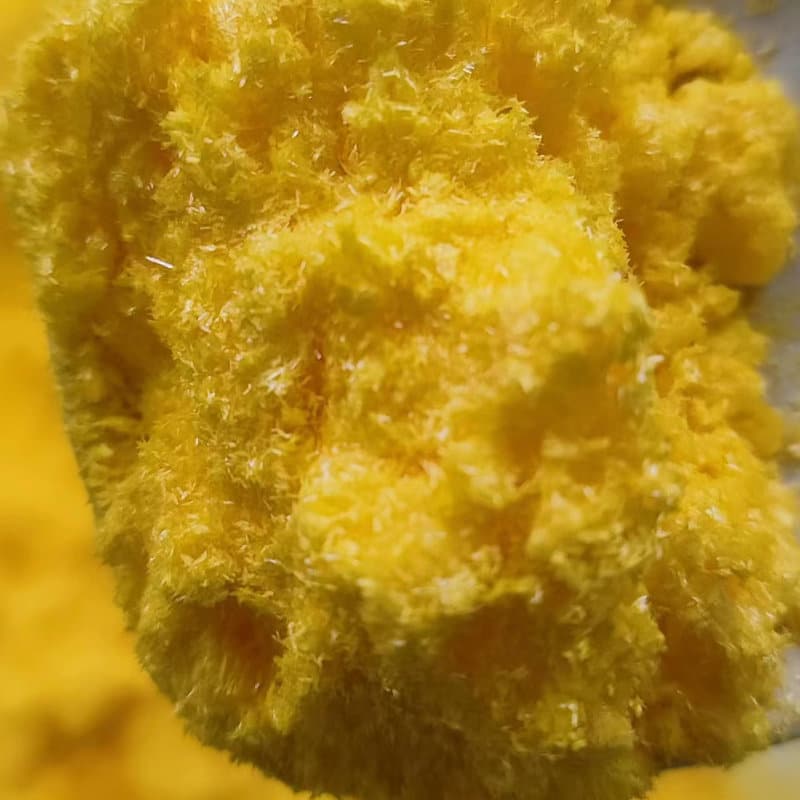
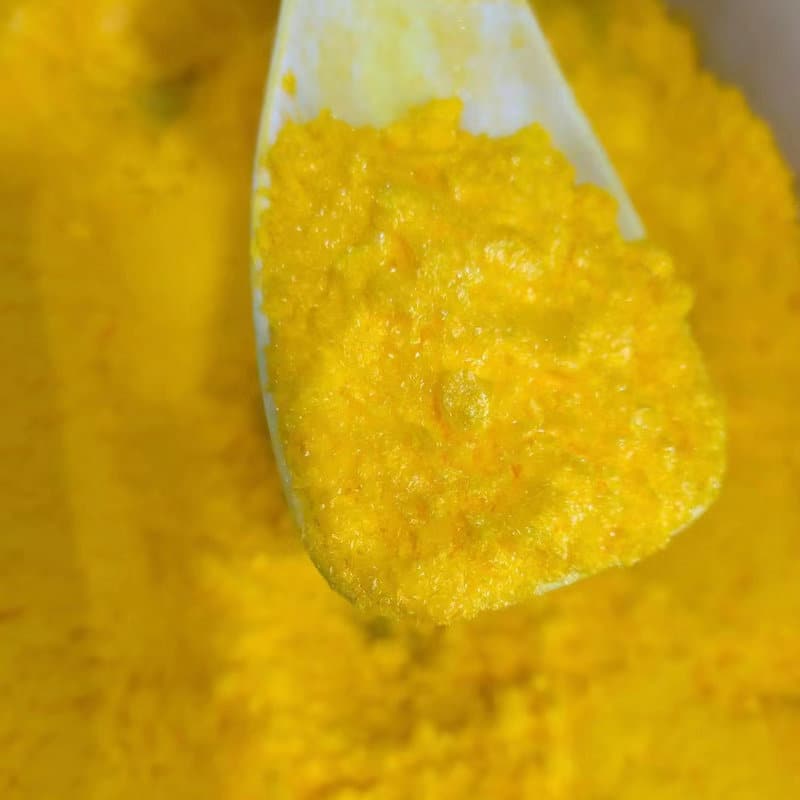
What does retinal do for your skin? Retinal, also known as retinaldehyde, is a vitamin A derivative used in skincare to improve the appearance of fine lines, wrinkles, uneven skin texture, and discoloration. It may also help acne-prone skin by regulating the processes that contribute to clogged pores.
Unlike retinol, which requires two conversion steps to become retinoic acid, retinal requires only one. This makes retinal an interesting option for people seeking an effective vitamin A ingredient without immediately turning to prescription-strength retinoids.
However, retinal is not an instant solution. Results depend on the concentration, formulation, skin tolerance, frequency of application, and consistent use over time.
What Is Retinal?
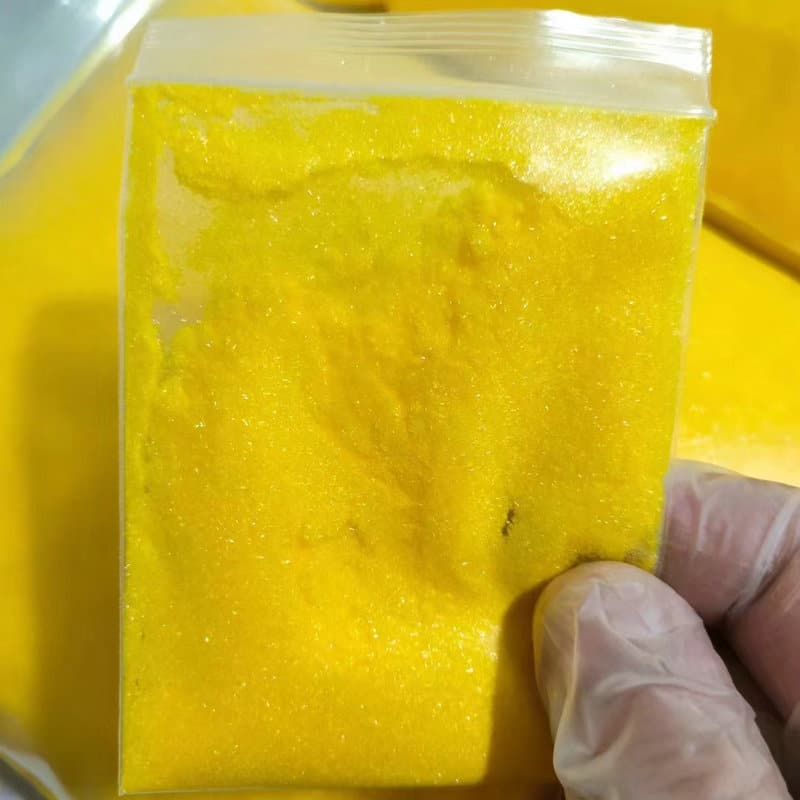
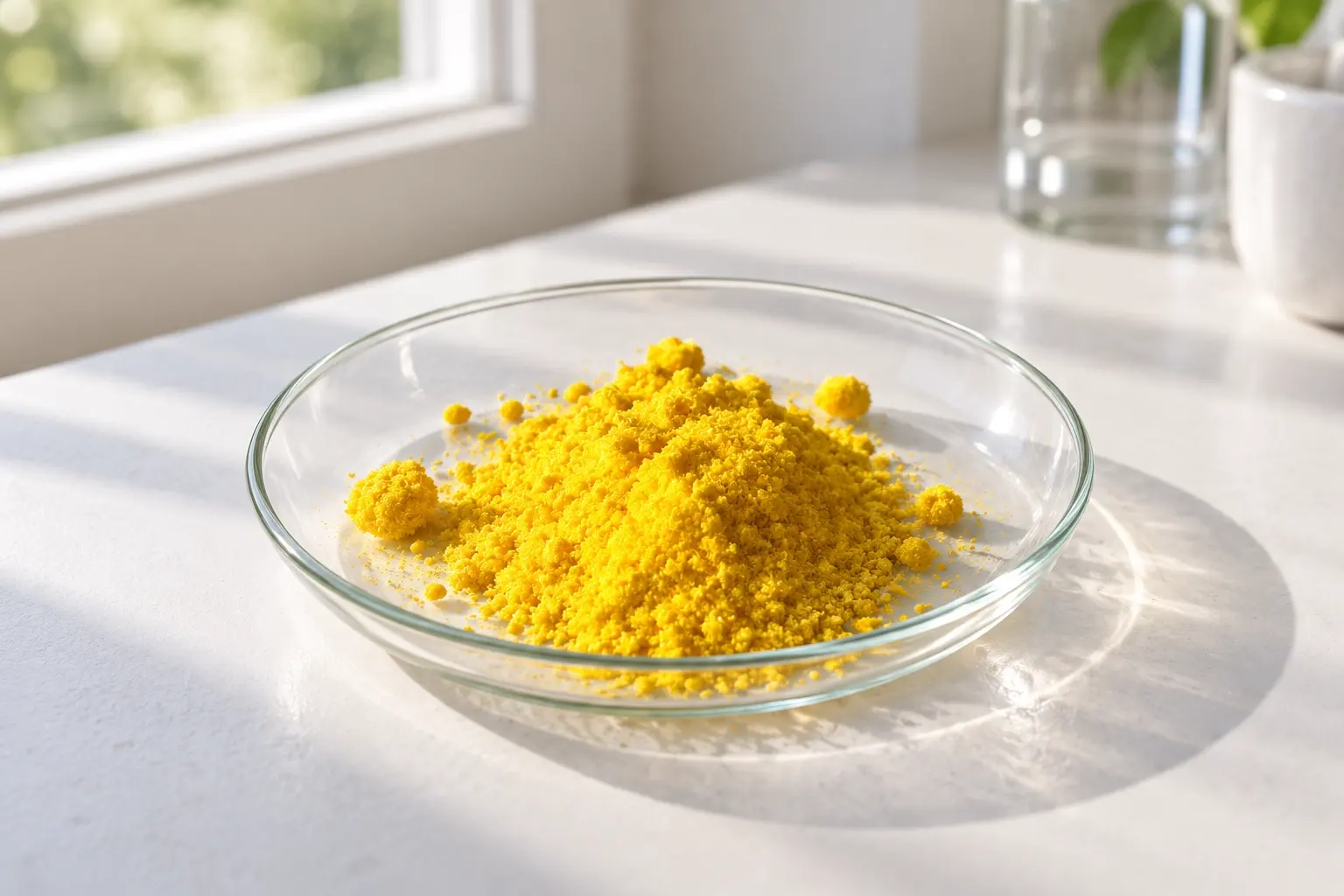
Retinal (retinaldehyde) is a member of the retinoid family, a group of compounds related to vitamin A. In cosmetic skincare, retinal is commonly used in serums, creams, and other topical formulations designed to improve visible signs of skin aging.
Retinal is different from retinol, although both ingredients are closely related. It is also different from retinoic acid, the active compound involved in many of the skin responses associated with topical retinoids.
| Property | Retinal Information |
|---|---|
| Ingredient name | Retinal |
| Alternative name | Retinaldehyde |
| CAS number | 116-31-4 (all-trans-retinal) |
| Molecular formula | C20H28O |
| Molecular weight | 284.44 g/mol |
| Ingredient category | Vitamin A derivative / Retinoid |
| Primary cosmetic applications | Anti-aging, skin texture, uneven tone, and acne-prone skincare |
How Does Retinal Work on the Skin?
Retinal works through pathways associated with retinoic acid, a biologically active form of vitamin A that regulates gene expression and influences skin cell differentiation and renewal.
The commonly described conversion pathway is:
Retinol → Retinal (Retinaldehyde) → Retinoic Acid
Retinol must first convert into retinal before it can be converted into retinoic acid. Retinal is already one step closer to retinoic acid.
Once retinoic acid is available in skin tissue, it interacts with nuclear retinoic acid receptors. These interactions regulate biological processes involved in epidermal renewal and skin structure.
Because retinal requires fewer conversion steps than retinol, it has the potential for greater biological activity under comparable conditions. However, the number of conversion steps alone does not establish exactly how much faster or more effective a finished retinal skincare product will be.
6 Potential Benefits of Retinal for Skin
1. Helps Reduce the Appearance of Fine Lines and Wrinkles
One of retinal's main skincare applications is improving visible signs of skin aging.
Retinoid activity can influence collagen-related processes and epidermal renewal, helping improve the appearance of skin affected by photoaging.
In a randomized, double-blind clinical study involving 40 participants, both 0.05% and 0.1% retinaldehyde creams improved measured skin texture over three months. The researchers also reported improvements in several other indicators of photoaged skin.
These findings support retinal's potential for improving skin appearance, but they do not mean that every retinal product will produce identical results.
2. Improves Uneven Skin Texture
Retinal helps regulate epidermal cell renewal and differentiation. With consistent use, this activity may contribute to smoother-looking skin and a more refined surface texture.
People concerned about roughness or uneven skin texture may benefit from a carefully formulated retinal product.
Visible improvements are usually gradual. Stronger concentrations are not necessarily better, especially when irritation interferes with consistent use.
3. May Help Acne-Prone Skin
Retinal may be useful in formulations intended for acne-prone skin because retinoid-related activity helps regulate the abnormal shedding and accumulation of skin cells involved in clogged pores.
A small clinical study of 23 participants investigated a 0.05% retinaldehyde-loaded nanoemulsion for mild-to-moderate acne. Other studies have examined retinaldehyde in combination with ingredients such as glycolic acid or topical antibiotics.
Although these studies suggest potential benefits, the evidence for retinal as a standalone acne treatment is more limited than the evidence supporting established acne medications such as adapalene and tretinoin.
People with persistent, inflammatory, or severe acne should consult a dermatologist rather than rely on cosmetic retinal alone.
4. Helps Improve Uneven Skin Tone
Retinal may help improve the appearance of uneven skin tone associated with photoaging.
By influencing skin renewal, retinal can contribute to a more even-looking complexion with continued use.
In the three-month clinical study of retinaldehyde creams, the 0.1% formulation produced a statistically significant improvement in the measured melanin index, while the 0.05% formulation did not demonstrate the same significant result.
This distinction matters because it shows that results can differ between concentrations and outcomes.
Retinal is not a substitute for daily sun protection or professional assessment of persistent pigmentation disorders.
5. Supports the Appearance of Photoaged Skin
Photoaging refers to visible changes in the skin associated with long-term ultraviolet exposure. Common signs include fine lines, rough texture, uneven pigmentation, and reduced skin smoothness.
Clinical research has investigated topical retinaldehyde for these concerns and has reported improvements in visible signs of photoaging.
Nevertheless, retinal does not reverse every form of sun damage and cannot replace preventive measures such as sunscreen and protective clothing.
6. May Improve Overall Skin Smoothness and Appearance
Retinal's effects on epidermal renewal and skin texture may make the complexion appear smoother and more uniform over time.
Some clinical formulations have also demonstrated improvements in hydration-related measurements, although these results cannot automatically be attributed to retinal alone because finished products contain multiple ingredients.
A well-designed moisturizer can complement a retinal routine by reducing dryness and helping users tolerate continued application.
Retinal vs. Retinol: What Is the Difference?
Retinal and retinol belong to the same vitamin A family, but they are chemically distinct ingredients.
The most important difference is their position in the conversion pathway that leads to retinoic acid.
| Feature | Retinal | Retinol |
|---|---|---|
| Alternative name | Retinaldehyde | Vitamin A alcohol |
| Conversion to retinoic acid | One step | Two steps |
| Biological activity | Potentially higher under comparable conditions | Dependent on conversion in the skin |
| Main skincare applications | Fine lines, texture, uneven tone, acne-prone skin | Fine lines, texture, uneven tone, acne-prone skin |
| Irritation potential | Can cause dryness, redness, and peeling | Can cause dryness, redness, and peeling |
| Suitable for beginners? | Possible with gradual introduction | Often selected as a starting retinoid |
Is retinal better than retinol? Not necessarily for everyone. Retinal is chemically closer to retinoic acid, but the effectiveness of a product depends on its formulation, concentration, stability, and how consistently it can be used.
Retinol may be an appropriate option for users who prefer a more gradual introduction. Retinal may appeal to those seeking an alternative retinoid with documented cosmetic benefits.
How Long Does Retinal Take to Work?
Retinal generally requires consistent use over a period of weeks or months before noticeable cosmetic improvements can be assessed.
Clinical investigations have assessed retinaldehyde products over different periods, including four weeks for certain acne-focused formulations and three months for photoaging studies.
| Period | What to Expect |
|---|---|
| First 1–2 weeks | Skin adjustment; dryness or irritation may occur |
| Weeks 3–4 | Some users may notice changes in skin feel; visible benefits are not guaranteed |
| Weeks 4–8 | Continue assessing tolerance and consistency |
| Weeks 8–12 | A reasonable period to evaluate texture and cosmetic improvements |
| Beyond 12 weeks | Continued use may help maintain benefits if the product is tolerated |
These periods are practical expectations, not a guaranteed treatment schedule. Changes vary between individuals and products.
How to Use Retinal in Your Skincare Routine
Retinal should be introduced gradually, particularly if you have never used a retinoid before.
Step 1: Start With an Appropriate Formula
Retinal is available in finished skincare products at different concentrations, including 0.05% and 0.1% formulations investigated in clinical studies.
Choose a product appropriate for your skin type and tolerance rather than automatically selecting the highest concentration.
Step 2: Apply It in the Evening
Retinal is commonly included in nighttime skincare routines. After gently cleansing the face, allow the skin to dry before applying the product according to its label instructions.
For many facial retinoid products, a pea-sized amount is sufficient for the entire face. Avoid direct application to the eyes, lips, and irritated or broken skin unless the specific product instructions say otherwise.
Step 3: Introduce It Gradually
Beginners may start using retinal two evenings per week, increasing frequency gradually if their skin tolerates it.
If persistent redness, peeling, burning, or discomfort develops, reduce use or stop and seek professional advice.
Step 4: Use Moisturizer
A gentle moisturizer can help manage dryness associated with topical retinoids.
Formulations containing ingredients such as glycerin, hyaluronic acid, or ceramides may be useful for supporting skin hydration.
Step 5: Apply Sunscreen During the Day
Use a broad-spectrum sunscreen with SPF 30 or higher as part of daily sun protection.
Retinal does not replace sunscreen, and protecting skin from ultraviolet exposure is essential when addressing visible signs of photoaging and uneven pigmentation.
Does Retinal Have Side Effects?
Although retinal can be well tolerated in appropriately formulated skincare products, it may still cause adverse skin reactions.
Possible side effects include:
Dryness or tightness
Redness
Peeling or flaking
Burning or stinging
Temporary irritation during the adjustment period
People with highly reactive skin, eczema, or significant skin inflammation should seek professional advice before introducing retinal.
Pregnancy precaution: Topical retinoids are generally avoided during pregnancy and when planning pregnancy. Anyone who is pregnant, planning pregnancy, or breastfeeding should seek individualized medical advice before using retinal products.
To reduce irritation, avoid introducing multiple strong exfoliating products or retinoids at the same time.
Can You Use Retinal Every Day?
Some people can eventually tolerate retinal every evening, but daily application is not necessary for everyone.
The appropriate frequency depends on the product instructions, ingredient concentration, skin sensitivity, and how well the formulation is tolerated.
Consistent use at a tolerable frequency is generally preferable to frequent application that causes excessive irritation.
Who Should Consider Retinal Skincare Products?
Retinal may be worth considering for adults who want to address:
Early signs of skin aging
Fine lines and uneven texture
Rough or dull-looking skin
Uneven skin tone associated with photoaging
Acne-prone skin requiring a carefully designed routine
People with extremely sensitive skin, active inflammatory skin conditions, or persistent acne may benefit from discussing product selection with a dermatologist.
Retinal in Cosmetic Formulations
For cosmetic manufacturers and formulation developers, retinal is an active ingredient of interest because of its position in the vitamin A conversion pathway and its reported effects on the appearance of photoaged skin.
However, formulating with retinal requires attention to chemical stability and ingredient compatibility.
Retinal is sensitive to environmental conditions such as light, oxygen, and heat. Its stability can also depend on solvent systems, packaging materials, and other formulation components.
Appropriate formulation development may involve protective packaging, compatibility testing, analytical evaluation, and stability studies.
Finished products should be evaluated under their intended storage conditions rather than assuming that ingredient purity alone guarantees shelf-life performance.

Frequently Asked Questions About Retinal
What does retinal do to your face?
Retinal helps regulate skin renewal and may improve the appearance of fine lines, wrinkles, uneven texture, and discoloration. It is used in cosmetic formulations targeting signs of skin aging and acne-prone skin.
Does retinal help with wrinkles?
Yes. Clinical studies of topical retinaldehyde have reported improvements in skin texture and signs of photoaging. Results depend on the formulation and consistent use.
Is retinal good for acne?
Retinal may help acne-prone skin by influencing abnormal follicular keratinization. However, the clinical evidence for retinal alone is limited compared with established prescription and over-the-counter acne medications.
Does retinal help with dark spots?
Retinal may improve the appearance of uneven pigmentation. In one clinical trial, a 0.1% retinaldehyde cream improved the measured melanin index over three months, while the 0.05% cream did not show the same statistically significant change.
Is retinal stronger than retinol?
Retinal is one biochemical conversion step closer to retinoic acid than retinol, which may increase its biological activity. However, finished-product strength and tolerability cannot be determined from conversion steps alone.
Can beginners use retinal?
Yes, some beginners may tolerate appropriately formulated retinal products. Starting gradually and following manufacturer instructions can help minimize irritation.
Can retinal damage your skin?
Improper use can lead to irritation, dryness, and disruption of skin comfort. Excessive application does not necessarily improve results. Discontinue use if a serious reaction occurs and consult a healthcare professional.
Should retinal be used in the morning or at night?
Retinal is generally incorporated into evening skincare routines. Daily sun protection remains important regardless of when the product is applied.
Is retinal the same as retinoic acid?
No. Retinal is a precursor that can be converted into retinoic acid. Retinoic acid, including tretinoin, is biologically active and is used in prescription dermatological treatments in many markets.
What does retinal do for vision?
Retinal also has an essential biological role in eyesight. The 11-cis form of retinal binds to visual proteins in the retina and changes configuration when exposed to light, initiating visual signaling. This function is distinct from the cosmetic use of all-trans-retinal in skincare.
Conclusion: Is Retinal Worth Using?
Retinal is a vitamin A derivative with scientific evidence supporting its potential to improve visible signs of skin aging, particularly texture and photoaging-related changes.
Its ability to convert into retinoic acid through one biochemical step distinguishes it from retinol, although real-world performance depends on far more than the conversion pathway.
For consumers, the most important factors are appropriate product selection, gradual introduction, consistent use, moisturization, and sun protection.
For cosmetic formulators, ingredient purity, chemical stability, packaging compatibility, and finished-product testing are critical considerations when developing retinal-based skincare products.
Scientific References
Kim et al. Efficacy and safety of retinaldehyde 0.1% and 0.05% creams used to treat photoaged skin: A randomized double-blind controlled trial. PubMed PMID: 29663701.
Topical retinaldehyde on human skin: Biologic effects and tolerance. PubMed PMID: 7798613.
Clinical use of topical retinaldehyde on photoaged skin. PubMed PMID: 10473961.
A pilot study evaluating the efficacy and safety of retinaldehyde-loaded niosomes against mild-to-moderate acne. PubMed PMID: 34587353.
American Academy of Dermatology. Retinoid or retinol? Dermatology guidance.
Disclaimer: This article is provided for educational and cosmetic ingredient information only. It is not intended to diagnose, treat, or prevent any disease or replace professional medical advice.