Retinal vs Retinaldehyde: Are They the Same Ingredient?
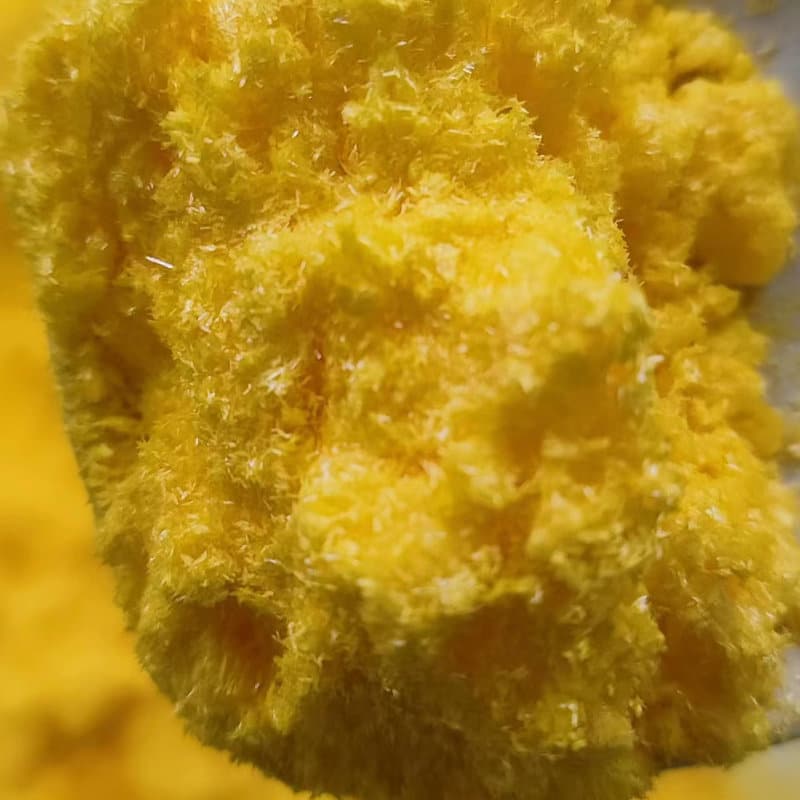
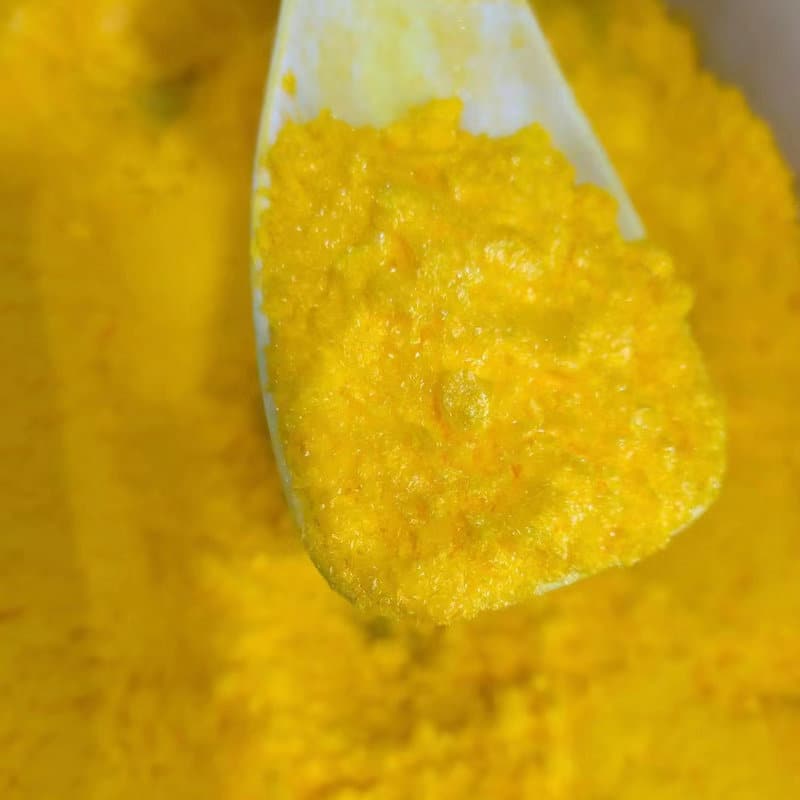
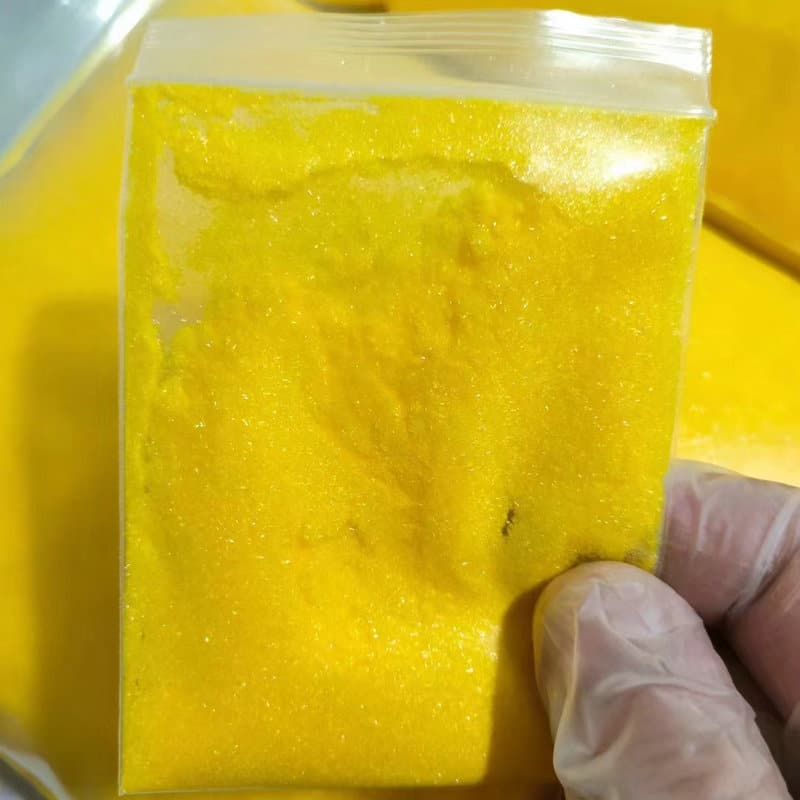
Retinal vs retinaldehyde: Is there a difference? No. Retinal and retinaldehyde are two names for the same vitamin A-derived compound. Both refer to the aldehyde form of vitamin A, commonly used in skincare products targeting fine lines, uneven skin texture, and signs of photoaging.
The difference is terminology, not chemical composition. Retinal is the shorter name, while retinaldehyde emphasizes the molecule's aldehyde functional group. Neither is inherently stronger, faster, or more effective than the other.
However, retinal and retinaldehyde should not be confused with retinol, which is a different vitamin A derivative. Understanding these distinctions can help consumers choose skincare products and help cosmetic formulators identify the correct raw material.
1. Is Retinal the Same as Retinaldehyde?
Yes, retinal and retinaldehyde are chemically identical when they refer to the same molecular isomer. The United States National Library of Medicine's PubChem database lists retinaldehyde as a synonym of retinal, while the National Institute of Standards and Technology (NIST) identifies both names under the same chemical record.
For example, all-trans-retinal and all-trans-retinaldehyde refer to the same all-trans molecular structure.
| Property | Retinal | Retinaldehyde |
|---|---|---|
| Chemical identity | Vitamin A aldehyde | Vitamin A aldehyde |
| CAS number (all-trans form) | 116-31-4 | 116-31-4 |
| Molecular formula | C20H28O | C20H28O |
| Molecular weight | 284.44 g/mol | 284.44 g/mol |
| Chemical family | Retinoid | Retinoid |
| Conversion to retinoic acid | One oxidation step | One oxidation step |
| Skincare applications | Photoaging and skin texture | Photoaging and skin texture |
| Inherent potency difference | None | None |
Important: Retinal molecules can exist in different geometric isomers, including all-trans-retinal and 11-cis-retinal. These are not necessarily interchangeable. When verifying a cosmetic raw material, confirm the specific isomer, CAS number, purity, and analytical documentation rather than relying on the ingredient name alone.
2. Why Are Retinal and Retinaldehyde Called Different Names?
The two terms describe the same chemical compound from slightly different naming perspectives.
Retinal
Retinal is the shorter, widely recognized name. It commonly appears in discussions about vitamin A metabolism, cosmetic ingredients, and skincare formulations.
Retinaldehyde
Retinaldehyde is a descriptive chemical name emphasizing the aldehyde group (-CHO) found in the molecule. Scientific publications and cosmetic literature frequently use this name.
Other names associated with all-trans-retinal include:
All-trans-Retinal
All-trans-Retinaldehyde
Vitamin A Aldehyde
Vitamin A1 Aldehyde
Retinene
Retinene 1
trans-Retinal
Retinyl Aldehyde
These names are useful when searching chemical databases, reviewing supplier specifications, or researching retinal-based cosmetic formulations.
3. Retinal vs Retinaldehyde: Which Is Better for Skin?
Neither is better simply because of its name. A product labeled retinal and another labeled retinaldehyde may contain the exact same active molecule.
Actual performance depends on the complete formulation, including:
Active ingredient concentration: The amount of retinal present in the finished formulation.
Formulation stability: Protection against degradation caused by light, oxygen, and temperature.
Delivery system: The formulation's ability to distribute and deliver the ingredient appropriately.
Supporting ingredients: Moisturizers and other ingredients that influence tolerability.
Skin tolerance: Individual sensitivity and the frequency of application.
For example, a 0.05% retinal cream and a 0.05% retinaldehyde cream contain the same nominal amount of active ingredient if both percentages describe the same compound. However, their real-world stability, tolerability, and effectiveness may differ because of their formulations.
Bottom line: Compare the concentration, supporting ingredients, packaging, and clinical evidence of the actual products, not the names retinal and retinaldehyde.
4. What Does Retinaldehyde Do for Skin?
Retinaldehyde belongs to the retinoid family. In skin, retinal can be converted into retinoic acid, a biologically active vitamin A metabolite involved in processes such as cellular differentiation and epidermal renewal.
Topical retinaldehyde has been investigated for several skincare benefits.
4.1 Improves the Appearance of Fine Lines and Wrinkles
Clinical research supports retinaldehyde as an ingredient for improving certain signs of photoaged skin.
A randomized, double-blind controlled study published in the Journal of Cosmetic Dermatology in 2018 evaluated 0.05% and 0.1% retinaldehyde creams in 40 female volunteers over three months.
Both groups showed improvements in skin texture and hydration. The study also reported improvements in measures of photoaging, although differences between the two concentrations were not statistically significant for most assessed outcomes.
4.2 Supports Smoother Skin Texture
Retinoid activity influences epidermal renewal and skin structure. Clinical studies of retinaldehyde-containing products have reported measurable improvements in skin texture.
Results depend on the formulation and consistent use. Improvements are not guaranteed for every person.
4.3 May Improve Uneven Skin Tone
Retinaldehyde has also been studied for changes in pigmentation-related measurements.
In the 2018 controlled trial, the 0.1% retinaldehyde group showed a statistically significant improvement in the melanin index, while the 0.05% group did not demonstrate the same significant result.
This suggests potential benefits for uneven pigmentation, but it does not establish that retinaldehyde will reliably remove every type of dark spot or hyperpigmentation.
4.4 May Be Useful in Acne-Prone Skincare
Retinoids play an important role in dermatology and are frequently considered for skin prone to clogged pores and acne.
However, clinical evidence for specific retinaldehyde cosmetic products should not be treated as equivalent to the evidence for approved acne medications such as adapalene or tretinoin.
People with persistent or moderate-to-severe acne should consult a dermatologist for an appropriate treatment plan.
5. Retinal vs Retinol vs Retinoic Acid
Although retinal and retinaldehyde are the same ingredient, retinol and retinoic acid are different molecules. All belong to the broader retinoid family.
The simplified metabolic pathway is:
Retinol → Retinal (Retinaldehyde) → Retinoic Acid
Retinol can be oxidized to retinal, which can subsequently be oxidized to retinoic acid. These reactions are enzyme-dependent, and the actual biological behavior of a skincare product is more complicated than a simple conversion diagram.
| Feature | Retinol | Retinal / Retinaldehyde | Retinoic Acid |
|---|---|---|---|
| Chemical group | Alcohol | Aldehyde | Carboxylic acid |
| CAS number (all-trans form) | 68-26-8 | 116-31-4 | 302-79-4 |
| Conversion to retinoic acid | Two oxidation steps | One oxidation step | Already the active acid |
| Typical context | Cosmetic skincare | Cosmetic skincare | Dermatological medication |
| Potential irritation | Possible | Possible | Possible, often substantial |
Does retinal work faster than retinol? Retinal is one metabolic step closer to retinoic acid. This provides a scientific reason for interest in its activity, but it does not prove that every retinal product works faster than every retinol product. Concentration, formulation, stability, and clinical testing remain important.
6. What Concentration of Retinaldehyde Is Commonly Used?
Retinaldehyde has been clinically investigated at concentrations including 0.05% and 0.1% in topical creams.
In the 2018 study involving 40 volunteers, both concentrations improved skin texture and hydration during the three-month investigation. The higher concentration did not consistently outperform the lower concentration across all measured outcomes.
This is important because a higher concentration does not automatically guarantee better results.
The appropriate concentration depends on product formulation, skin sensitivity, the intended application, and the regulatory requirements of the target market.
7. How to Use Retinal or Retinaldehyde in a Skincare Routine
Because retinal and retinaldehyde are the same ingredient, their general skincare usage principles are identical.
Begin gradually. Follow the product instructions and consider starting two or three nights per week if appropriate for your skin.
Apply at night. A gentle cleanser can be followed by the retinal-containing product according to its directions.
Use a moisturizer. A suitable moisturizer may help reduce dryness and improve comfort.
Avoid unnecessary irritation. Do not immediately combine multiple strong retinoids or exfoliating products without professional guidance.
Protect skin during the day. Use broad-spectrum sunscreen with SPF 30 or higher, together with appropriate sun-protective measures.
Potential adverse reactions include redness, dryness, peeling, burning, and irritation. If significant irritation occurs, stop using the product and seek professional advice.
Pregnancy precaution: Retinoid skincare products should be avoided during pregnancy. Anyone who is pregnant, planning pregnancy, or breastfeeding should consult an appropriate healthcare professional before using retinoid-containing products.
8. Is Retinaldehyde Stable in Skincare Formulations?
Retinaldehyde can be sensitive to environmental conditions, particularly light, oxygen, and temperature. These factors may affect the stability of retinoid-containing products.
A 2024 review published in the Journal of Cosmetic Dermatology discussed retinoid chemical instability and formulation strategies designed to improve stability and reduce irritation.
Common formulation considerations include:
Minimizing unnecessary exposure to light and oxygen.
Using suitable protective packaging, such as opaque or airless containers.
Evaluating antioxidant systems where appropriate.
Considering encapsulation or other delivery technologies.
Performing finished-product stability testing.
For cosmetic manufacturers, analytical purity of the starting material is only one part of quality control. Finished-product stability and compatibility must also be evaluated.
9. How to Identify Genuine Retinaldehyde Raw Material
Cosmetic formulators and ingredient purchasers should verify chemical identity and quality documentation before selecting a retinaldehyde supplier.
For all-trans-retinal, important identification information includes:
| Ingredient name | Retinal / Retinaldehyde |
|---|---|
| Specified isomer | All-trans-Retinal |
| CAS number | 116-31-4 |
| Molecular formula | C20H28O |
| Molecular weight | 284.44 g/mol |
| Ingredient family | Vitamin A derivative / Retinoid |
| Quality documentation | Batch-specific COA, specification, and relevant analytical reports |
Buyers should request the appropriate Certificate of Analysis (COA), Safety Data Sheet (SDS), and Technical Data Sheet (TDS) when available.
Purity should be assessed using an appropriately validated analytical method. For example, an HPLC area percentage should not automatically be interpreted as an absolute mass purity percentage without understanding the analytical procedure.
Suppliers should also clearly identify the relevant geometric isomer and provide suitable storage recommendations supported by their product stability data.
10. Frequently Asked Questions About Retinal vs Retinaldehyde
Are retinal and retinaldehyde exactly the same?
Yes. They are interchangeable names for the same chemical compound when referring to the same molecular isomer. In skincare, both names commonly refer to the vitamin A aldehyde ingredient.
Is retinal stronger than retinaldehyde?
No. Neither is inherently stronger because retinal and retinaldehyde are the same molecule. Differences between commercial products depend on their actual concentration, stability, and formulation.
Do retinal and retinaldehyde have the same CAS number?
Yes. All-trans-retinal, also called all-trans-retinaldehyde, is identified by CAS number 116-31-4. Other geometric isomers should be identified separately.
Is retinaldehyde the same as retinol?
No. Retinaldehyde is an aldehyde, whereas retinol is an alcohol. Retinol can be converted to retinaldehyde, and retinaldehyde can subsequently be converted to retinoic acid.
Is retinaldehyde better than retinol for wrinkles?
Retinaldehyde is one metabolic step closer to retinoic acid and has clinical evidence supporting its use for signs of photoaging. However, product-level studies are necessary to establish whether a particular retinaldehyde formulation performs better than a specific retinol product.
Can retinal and retinaldehyde be used together?
Using separate products labeled retinal and retinaldehyde generally means applying the same active ingredient twice. This is usually unnecessary and may increase irritation. Follow product directions and consult a dermatologist if combining retinoids.
Does retinaldehyde help with acne?
Retinaldehyde may have useful properties for acne-prone skincare, but it should not be assumed to have the same clinical evidence or regulatory status as approved topical acne medications.
Can sensitive skin use retinaldehyde?
Some people with sensitive skin may tolerate carefully formulated retinaldehyde products, but irritation is possible. Begin cautiously and obtain professional advice if you have persistent redness, eczema, rosacea, or an impaired skin barrier.
How long does retinaldehyde take to show results?
Results vary. Published studies have evaluated improvements over periods such as three months. Consistent use and good sun protection are important, but no exact improvement timeline can be guaranteed for every product or user.
What is the INCI name for retinaldehyde?
Retinal is the commonly used cosmetic ingredient name. Manufacturers should verify the officially applicable INCI designation and local regulatory requirements for their intended market before preparing commercial product labels.
11. Final Verdict: Retinal vs Retinaldehyde
Retinal and retinaldehyde are the same vitamin A-derived ingredient. The two names do not represent different strengths, chemical structures, or skincare mechanisms when they refer to the same isomer.
If you are comparing retinal and retinaldehyde skincare products, focus on formulation quality, active concentration, stability, packaging, and tolerability rather than the ingredient's name.
For cosmetic raw material purchasers, confirm the precise chemical identity, CAS number, isomer, analytical method, batch documentation, and recommended storage conditions.
Understanding these details is more useful than treating retinal and retinaldehyde as competing ingredients.
References and Scientific Sources
PubChem, National Center for Biotechnology Information. Retinal, CID 638015. https://pubchem.ncbi.nlm.nih.gov/compound/Retinal
National Institute of Standards and Technology. NIST Chemistry WebBook: Retinal, CAS 116-31-4. https://webbook.nist.gov/cgi/cbook.cgi?ID=116-31-4
Kwon HS, et al. Efficacy and safety of retinaldehyde 0.1% and 0.05% creams used to treat photoaged skin: A randomized double-blind controlled trial. Journal of Cosmetic Dermatology. 2018;17:471-476. https://pubmed.ncbi.nlm.nih.gov/29663701/
Creidi P, Humbert P. Clinical use of topical retinaldehyde on photoaged skin. Dermatology. 1999;199(Suppl 1):49-52. https://pubmed.ncbi.nlm.nih.gov/10473961/
Zhong et al. Topical retinoids: Novel derivatives, nano lipid-based carriers, and combinations to improve chemical instability and skin irritation. Journal of Cosmetic Dermatology. 2024. https://doi.org/10.1111/jocd.16415
American Academy of Dermatology. Retinoid or retinol? AAD Skincare Guidance
American Academy of Dermatology. Dermatologist-approved pregnancy skin care. AAD Pregnancy Guidance