Retinol vs Retinal vs Retinoid: What's the Difference and Which Is Best for Your Skin?
If you are comparing retinol vs retinal vs retinoid, the most important distinction is that these are not three separate categories of skincare ingredients. Retinoid is the broad term for vitamin A-related compounds, while retinol and retinal are two specific types of retinoids.
Quick answer: Retinol is a popular over-the-counter ingredient for improving the appearance of fine lines, uneven skin tone, and texture. Retinal, also called retinaldehyde, is one conversion step closer to retinoic acid and is another option for cosmetic skincare. Prescription retinoids, including tretinoin, are used for conditions such as acne and have substantial clinical evidence supporting their effectiveness.
However, retinal is not automatically better than retinol, and the word "retinoid" does not automatically mean prescription strength. The best choice depends on the specific ingredient, concentration, formulation, skin tolerance, and treatment goal.
Retinol vs Retinal vs Retinoid: Quick Comparison
The following table summarizes the main differences between these vitamin A-related ingredients.
| Feature | Retinol | Retinal | Retinoid |
|---|---|---|---|
| Definition | A specific form of vitamin A | Retinaldehyde, a vitamin A derivative | Umbrella term for vitamin A-related compounds |
| Conversion to retinoic acid | Two oxidation steps | One oxidation step | Varies by compound |
| Availability | Commonly over the counter | Commonly over the counter | Includes cosmetic and prescription options |
| Typical uses | Fine lines, texture, uneven tone | Photoaging, texture, uneven tone | Cosmetic skincare and medical treatments |
| Irritation | Possible | Possible | Varies by type and formulation |
| Suitable for beginners? | Often a practical starting option | Possible with careful introduction | Depends on the individual retinoid |
| Clinical evidence | Evidence for cosmetic photoaging benefits | Growing evidence for photoaging benefits | Extensive evidence for certain prescription retinoids |
Important: Because retinoid is a family name, it cannot be assigned one universal strength, irritation level, or conversion requirement. To make a meaningful comparison, you must identify the exact retinoid being used.
What Is a Retinoid?
A retinoid is a member of a family of compounds related to vitamin A. Retinoids include cosmetic ingredients commonly found in skincare products and medications used in dermatology.
Different retinoids have different chemical structures, biological activities, and clinical applications. Some are converted into retinoic acid in the skin, while others directly interact with retinoic acid receptors.
Examples of retinoids include:
Retinol: A widely used cosmetic vitamin A ingredient.
Retinal (retinaldehyde): An intermediate in the conversion of retinol to retinoic acid.
Tretinoin: All-trans retinoic acid, a prescription topical medication in the United States.
Adapalene: A synthetic topical retinoid used for acne, available without a prescription in certain concentrations and markets.
Tazarotene: A topical retinoid used for conditions including acne and psoriasis.
Retinyl palmitate: A retinyl ester found in some cosmetic formulations.
The American Academy of Dermatology describes retinoids as a broad group of vitamin A-based products and recognizes their applications in acne care and improving signs of skin aging.
What Is Retinol?
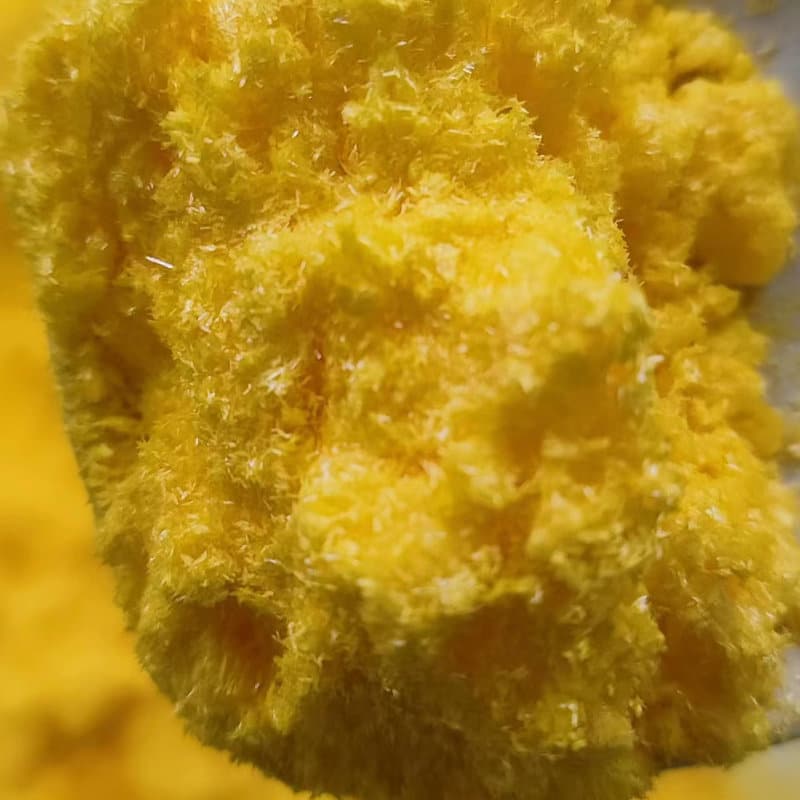
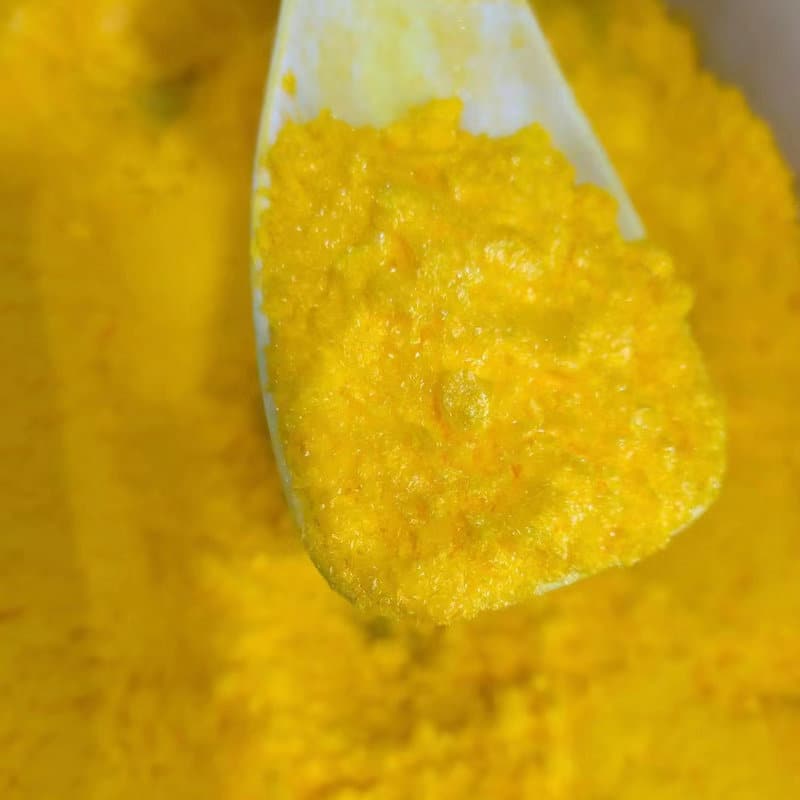
Retinol (CAS 68-26-8) is a form of vitamin A commonly used in cosmetic skincare products. It belongs to the retinoid family and can be metabolized in the skin into retinal and subsequently retinoic acid.
Retinol-containing products are often selected to help improve the appearance of early fine lines, rough skin texture, and uneven pigmentation.
How Does Retinol Work?
Retinol undergoes enzymatic conversion to retinal, followed by conversion to retinoic acid. Retinoic acid regulates gene expression through nuclear retinoic acid receptors and influences processes involved in skin renewal and differentiation.
Retinol has been investigated in clinical studies of photoaged skin. For example, a randomized controlled study of a stabilized 0.1% retinol moisturizer found improvements in several signs of photodamage after eight weeks compared with the vehicle formulation.
Benefits of Retinol
Helps improve the appearance of fine lines and wrinkles.
Supports smoother-looking skin texture.
Can improve the appearance of uneven pigmentation.
Offers an accessible introduction to vitamin A skincare.
Can be incorporated into long-term skincare routines when tolerated.
Retinol can still cause dryness, redness, peeling, or irritation. A lower concentration or less frequent application may be preferable when beginning treatment.
What Is Retinal?
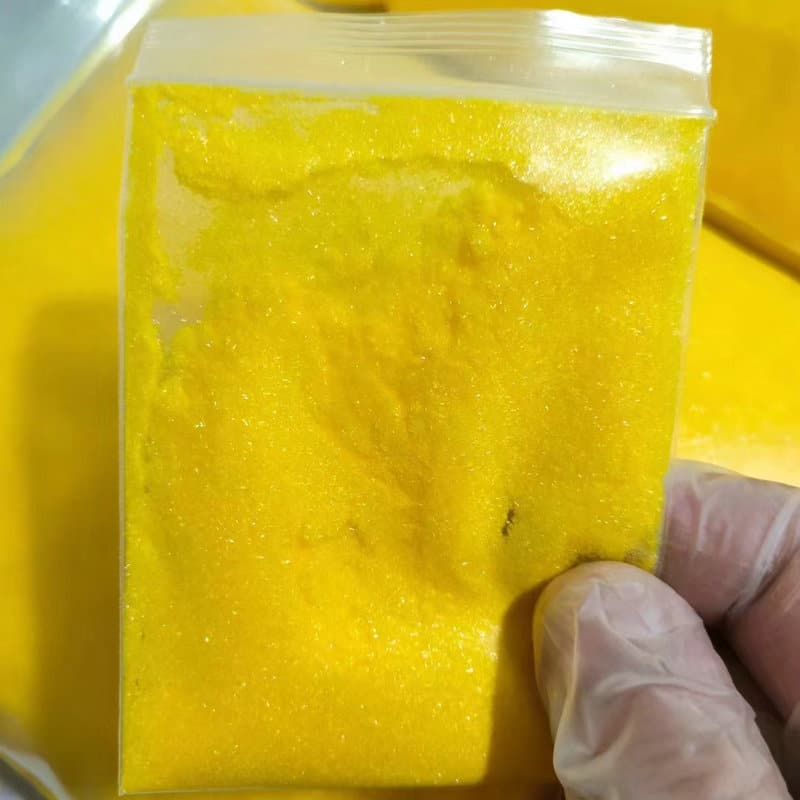
Retinal (CAS 116-31-4), also known as retinaldehyde, is another member of the retinoid family. It is chemically distinct from retinol and is the immediate precursor of retinoic acid in the conventional oxidation pathway.
Because retinal requires one fewer oxidation step than retinol, it is frequently described as a more direct cosmetic precursor of retinoic acid.
However, conversion steps alone cannot establish exactly how much stronger one finished skincare product will be than another.
How Does Retinal Work?
Retinal can be enzymatically oxidized into retinoic acid. Its activity in a skincare product depends on factors such as concentration, chemical stability, delivery system, and its interaction with the skin.
Clinical research supports the potential of retinaldehyde formulations for improving signs of photoaging.
A randomized controlled trial published in the Journal of Cosmetic Dermatology evaluated 0.05% and 0.1% retinaldehyde creams over three months. Both formulations improved skin texture and hydration, while the 0.1% formulation also produced a statistically significant improvement in the measured melanin index.
Benefits of Retinal
Offers a shorter metabolic pathway to retinoic acid than retinol.
Has clinical evidence supporting improvements in photoaged skin.
May help improve the appearance of uneven texture and fine lines.
Provides an alternative for people comparing cosmetic vitamin A ingredients.
Like retinol, retinal can cause irritation. It should not be assumed that retinal is always more irritating or universally more effective, because individual formulations and skin responses differ.
Retinol vs Retinal: How Do Their Conversion Pathways Differ?
The most widely discussed scientific distinction between retinol and retinal is their position in the retinoic acid conversion pathway.
Retinol → Retinal → Retinoic Acid
Retinol requires two oxidation steps to form retinoic acid, whereas retinal requires one. Tretinoin is itself all-trans retinoic acid.
This pathway explains an important biochemical difference, but it is not a direct ranking of finished-product effectiveness.
Enzyme activity, formulation stability, skin penetration, dose, and tolerability can all influence outcomes.
Does Fewer Conversion Steps Mean Faster Results?
Not necessarily. Retinal is closer to retinoic acid in the metabolic pathway, but it does not follow that every retinal product will produce visible results faster than every retinol product.
Direct head-to-head clinical evidence is more useful than relying only on the number of conversion steps. Claims such as "retinal is exactly 10 times stronger than retinol" should not be treated as universal clinical facts.
Retinol vs Retinal vs Prescription Retinoids: Which Is Stronger?
When people ask which ingredient is strongest, they often mean which product is most likely to deliver noticeable improvements.
For cosmetic skincare, retinal is sometimes positioned between retinol and prescription retinoic acid because of its conversion pathway. That description is useful as a simplified explanation, but it is not a validated universal potency scale.
Prescription tretinoin has extensive clinical evidence supporting its effectiveness for acne and photoaging. Retinol and retinal have evidence supporting cosmetic benefits, but their comparative results depend on the studied formulations.
The amount of ingredient on the label is not sufficient to determine comparative potency. For example, a product containing 0.1% retinol cannot automatically be considered equivalent to a product containing 0.1% retinal or 0.1% tretinoin.
Which Is Better for Anti-Aging: Retinol, Retinal, or Retinoids?
Retinol, retinal, and certain prescription retinoids can be relevant to skincare goals involving photoaging. The appropriate choice depends on the severity of the concern and the balance between potential results and irritation.
Retinol for Early Signs of Aging
Retinol may be appropriate for people seeking a gradual skincare approach to fine lines, dullness, and uneven texture. Its widespread use and availability make it a common starting option.
Retinal for Cosmetic Photoaging Care
Retinal is an option for people interested in a different vitamin A derivative with clinical evidence for texture and photoaging improvements.
It is especially important to evaluate the specific finished formulation rather than assuming all retinal products perform identically.
Prescription Retinoids for Established Treatment Goals
For people seeking treatment for clinically significant photoaging or acne, a dermatologist may recommend a prescription retinoid such as tretinoin.
Prescription status varies by ingredient, concentration, country, and indication.
Which Retinoid Is Best for Acne?
If acne is your primary concern, clinical acne treatment guidelines are more useful than rankings of cosmetic ingredient strength.
The American Academy of Dermatology recommends topical retinoids for acne management based on clinical evidence. These medications help reduce the formation of clogged pores and have anti-inflammatory effects.
Examples include adapalene, tretinoin, tazarotene, and trifarotene.
Retinol and retinal skincare products may be marketed for acne-prone skin, but they should not automatically be considered substitutes for established acne medications.
People with persistent, inflammatory, or scarring acne should consider consulting a dermatologist for an individualized treatment plan.
Which Is Better for Sensitive Skin?
For sensitive skin, the priority is not necessarily selecting the chemically weakest vitamin A derivative. The goal is finding a product and routine that the skin can tolerate consistently.
Retinol at a lower concentration is often considered as an introductory cosmetic option, but retinal formulations may also be well tolerated.
Consider the following factors:
The concentration of the retinoid.
The overall formulation and moisturizing ingredients.
How frequently the product is applied.
Whether the skin barrier is already irritated.
Use of other potentially irritating active ingredients.
Individual skin conditions, including eczema or rosacea.
People with persistent redness, eczema, or significant skin sensitivity should seek medical advice before starting retinoids.
Retinol vs Retinal Concentrations: Is 0.1% Always Stronger Than 0.05%?
A higher concentration of the same active ingredient may increase exposure, but it can also increase irritation. Higher percentages do not always produce proportionally better results.
More importantly, percentages cannot be directly compared across different retinoid compounds.
For example:
A 0.1% retinol product contains a different active molecule from a 0.1% retinal product.
A 0.05% tretinoin medication has a different pharmacological profile from a 0.05% retinol cosmetic product.
Encapsulation, delivery systems, and chemical stability may influence performance.
When choosing a product, consider the full formulation, not only the numerical concentration.
How Long Does It Take for Retinol, Retinal, and Retinoids to Work?
Visible improvement depends on the ingredient, concentration, skin condition, consistency of use, and measured outcome.
Retinol and retinal clinical trials commonly evaluate results over several weeks to several months. For example, published retinol research has reported improvements after eight weeks, while retinaldehyde studies have examined treatment periods of approximately three months.
Prescription topical retinoid acne trials commonly assess outcomes around 12 weeks, although individual patients may respond differently.
These study durations should not be interpreted as guaranteed timelines for every person or every product.
How to Start Using Retinol or Retinal Safely
Introducing a retinoid gradually may help minimize dryness, peeling, and irritation.
Step 1: Choose an Appropriate Product
Consider a lower-strength cosmetic formulation if you are new to retinoids. If you need treatment for acne or significant photoaging, ask a dermatologist about medical options.
Step 2: Start Slowly
Begin with a few evenings per week rather than immediately using a new product every night. Increase frequency only when the skin tolerates it.
Step 3: Apply to Dry Skin
After gentle cleansing, allow the skin to dry before applying the product according to its directions. Avoid applying it to broken or significantly irritated skin.
Step 4: Support the Skin Barrier
Use a suitable moisturizer. Some people find applying moisturizer before or after a retinoid helps reduce irritation.
Step 5: Use Daily Sun Protection
Use a broad-spectrum sunscreen with SPF 30 or higher during the day, alongside other sun-protection measures. Many retinoid products are best applied in the evening.
Step 6: Monitor Irritation
Temporarily reduce application frequency if persistent dryness or discomfort occurs. Stop using the product and seek medical advice if severe irritation develops.
Pregnancy precaution: Retinoids, including cosmetic retinol products, should be avoided during pregnancy. People who are pregnant or planning pregnancy should consult their healthcare professional about appropriate alternatives.
Can You Use Retinol and Retinal Together?
Using retinol and retinal in the same routine is generally unnecessary. Both belong to the retinoid family, and combining them may increase dryness and irritation without providing a proven additional benefit.
Similarly, combining cosmetic retinoids with prescription tretinoin or adapalene should not be done without professional guidance.
When switching from retinol to retinal, introduce the new product gradually and assess skin tolerance.
What About Other Retinoids Such as HPR?
In addition to retinol and retinal, cosmetic ingredient developers may consider other vitamin A-related compounds, including Hydroxypinacolone Retinoate (HPR).
HPR is a retinoic acid ester used in some cosmetic formulations. Its chemical structure and proposed activity differ from the conventional retinol-to-retinal-to-retinoic-acid pathway.
However, HPR should not be described as clinically superior to retinol, retinal, or tretinoin without appropriate comparative human evidence. Claims about direct receptor activity, irritation, stability, and efficacy must be evaluated separately.
Other considerations for cosmetic formulators include:
Ingredient identity and purity.
Compatibility with the finished formulation.
Light, oxygen, and temperature sensitivity.
Stability during processing and storage.
Applicable cosmetic regulations in the target market.
Available analytical documents and stability data.
These considerations are important because the characteristics of a raw ingredient do not automatically predict the performance of a finished skincare product.
Retinol vs Retinal vs Retinoid: Which Should You Choose?
There is no single retinoid that is best for everyone. A useful selection process starts with the skin concern, previous retinoid experience, and tolerance for potential irritation.
| Your Main Goal | Option to Consider | Reason |
|---|---|---|
| New to vitamin A skincare | Lower-strength retinol | A practical introductory cosmetic option |
| Fine lines and uneven texture | Retinol or retinal | Both have evidence supporting cosmetic photoaging benefits |
| Interested in a shorter conversion pathway | Retinal | One oxidation step from retinoic acid |
| Persistent acne | Evidence-based acne retinoid | Topical retinoid medications are guideline-supported |
| Significant photoaging concerns | Dermatologist-guided treatment | Prescription options may be appropriate |
| Sensitive or easily irritated skin | Individualized low-irritation approach | Tolerability matters more than a simplistic strength ranking |
Frequently Asked Questions
Is retinol the same as a retinoid?
No. Retinol is one specific type of retinoid. The term retinoid covers a broader family of vitamin A-related compounds, including retinal and prescription medications such as tretinoin.
Is retinal stronger than retinol?
Retinal is one metabolic conversion step closer to retinoic acid than retinol. This can help explain differences in biological activity, but it does not prove that every retinal skincare product is stronger or faster than every retinol product.
Is retinal the same as retinaldehyde?
Yes. Retinal and retinaldehyde are names used for the same chemical compound. Retinal is not the same chemical as retinol.
Is retinoid stronger than retinol?
Not necessarily. Retinoid is a family name that includes retinol itself. Certain prescription retinoids have more direct pharmacological activity and stronger clinical evidence for specific medical uses, but the term retinoid alone does not describe potency.
Is tretinoin the same as retinol?
No. Tretinoin is all-trans retinoic acid, while retinol must undergo conversion to retinal and then retinoic acid. They differ in chemical structure, clinical applications, formulation, and regulatory status.
Which is better for wrinkles, retinol or retinal?
Both have clinical evidence supporting improvements in signs of photoaging. Their comparative performance depends on the specific formulations studied. There is insufficient justification for claiming that one ingredient is universally better for every person.
Can retinol or retinal cause purging?
Some people experience an initial increase in visible blemishes when starting products that affect skin cell turnover. However, new breakouts are not always purging. Persistent acne, redness, burning, or worsening irritation should be assessed rather than automatically attributed to a normal adjustment period.
Can I use retinal every night?
Some formulations are intended for nightly use, but individual tolerance varies. Beginners may benefit from less frequent application before gradually increasing use according to the product directions.
Should I use retinol or retinal during pregnancy?
No. Retinoid-containing skincare products are generally advised against during pregnancy. Consult a healthcare professional for pregnancy-appropriate skincare alternatives.
Does a higher retinol percentage always mean better results?
No. Higher concentrations can increase irritation, and the final formulation influences performance. Concentrations of different retinoid ingredients should not be treated as directly equivalent.
Final Verdict: Retinol, Retinal, or Retinoid?
The key to understanding retinol vs retinal vs retinoid is recognizing that retinoid is the broad family, while retinol and retinal are individual members with different chemical structures and metabolic pathways.
Retinol is a common starting option for people seeking gradual cosmetic improvements in skin texture, uneven tone, and fine lines.
Retinal is a cosmetic vitamin A derivative that requires one fewer oxidation step to form retinoic acid and has clinical evidence supporting photoaging-related benefits.
Prescription retinoids, such as tretinoin and adapalene, are established dermatological treatments for specific conditions, particularly acne.
Ultimately, the best choice is not determined by conversion steps or marketing claims alone. Choose an appropriate formulation, introduce it carefully, maintain sun protection, and seek professional guidance when treating a medical skin condition.
Scientific References and Further Reading
American Academy of Dermatology Association. Retinoid or retinol? Read dermatology guidance.
American Academy of Dermatology. Guidelines of care for the management of acne vulgaris. Journal of the American Academy of Dermatology. Read clinical guideline.
Kwon HS, et al. Efficacy and safety of retinaldehyde 0.1% and 0.05% creams used to treat photoaged skin: A randomized double-blind controlled trial. Journal of Cosmetic Dermatology. 2018. View PubMed study.
A stabilized 0.1% retinol facial moisturizer improves the appearance of photodamaged skin in an eight-week, double-blind, vehicle-controlled study. View PubMed study.
Retinol and retinyl esters: biochemistry and physiology. Read scientific review.
American Academy of Dermatology Association. Dermatologist-approved pregnancy skin care. Read safety guidance.
Educational information only. This article does not replace individualized medical advice. Product availability, clinical indications, and regulatory classifications differ between countries.