Retinol vs Retina: What's the Difference Between Retinol, Retinal, and the Retina?
When searching for "retinol vs retina," you may be trying to understand the difference between two vitamin A skincare ingredients. However, there is an important distinction: retinol, retinal, and retina are three different terms, and they should not be used interchangeably.
The short answer: Retinol is a vitamin A compound commonly used in skincare. Retinal, also called retinaldehyde, is another vitamin A derivative that sits one conversion step closer to retinoic acid. The retina, meanwhile, is the light-sensitive tissue at the back of the eye. It is not a skincare ingredient.
This guide explains the differences, how retinol and retinal work, their potential skin benefits, possible side effects, and how to choose the right product for your skincare routine.
1. Retinol vs Retina: Are They the Same Thing?
No. Retinol and the retina are fundamentally different, although both are connected to vitamin A biology.
Retinol is a form of vitamin A that can be used in cosmetic skincare formulations to help improve the appearance of fine lines, uneven skin tone, and rough texture.
The retina is a layer of light-sensitive tissue inside the eye. It contains photoreceptor cells that help convert light into signals transmitted to the brain.
Retinal is a vitamin A-derived molecule involved in both skin metabolism and vision. In skincare, the term usually refers to retinaldehyde, which can be converted into retinoic acid.
Retinol, Retinal, and Retina Compared
| Feature | Retinol | Retinal | Retina |
|---|---|---|---|
| What is it? | A vitamin A compound | A vitamin A-derived aldehyde | Light-sensitive eye tissue |
| Type | Retinoid | Retinoid | Anatomical structure |
| Main role | Vitamin A metabolism and skincare | Vitamin A metabolism, skincare, and vision | Visual processing |
| Used in skincare? | Yes | Yes | No |
| CAS Number | 68-26-8 (all-trans-retinol) | 116-31-4 (all-trans-retinal) | Not applicable |
| Molecular formula | C20H30O | C20H28O | Not applicable |
Therefore, if your question is about anti-aging skincare, the comparison you probably want is retinol vs retinal, rather than retinol vs retina.
2. What Is Retinol?
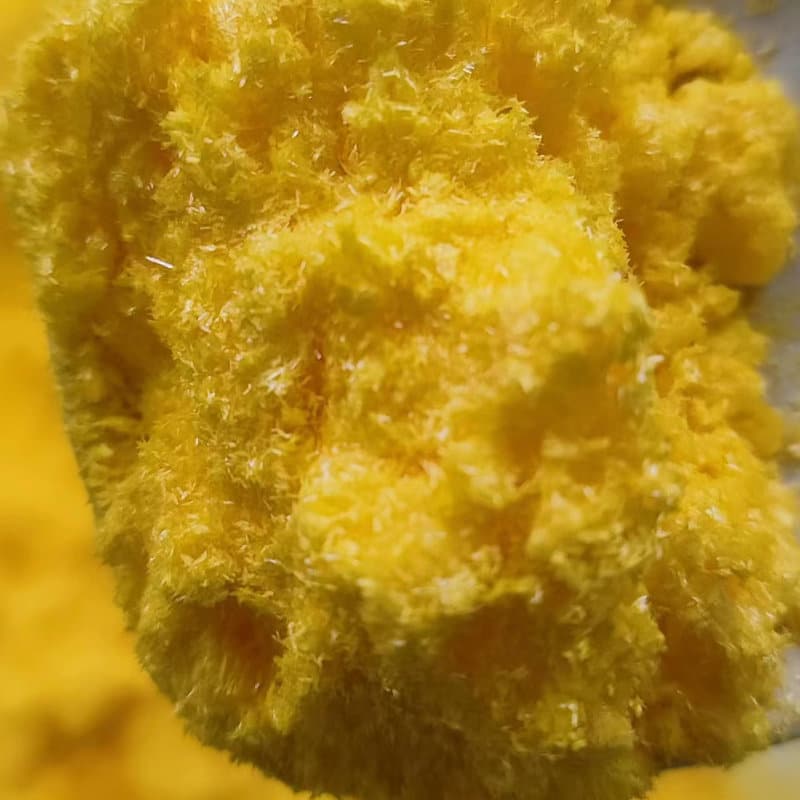
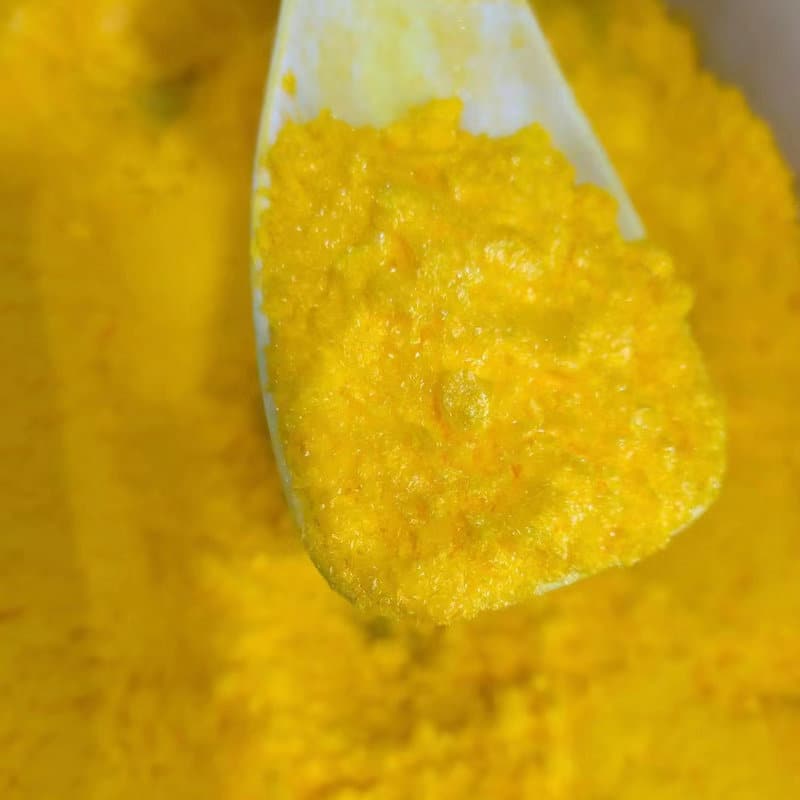
Retinol is a fat-soluble form of vitamin A belonging to the retinoid family. It is widely recognized as an ingredient in cosmetic products developed for the appearance of aging and photoaged skin.
All-trans-retinol has the molecular formula C20H30O and CAS number 68-26-8.
In the skin, retinol can undergo conversion into retinaldehyde and subsequently into retinoic acid. Retinoic acid is the form that interacts directly with nuclear retinoic acid receptors involved in regulating cellular processes.
What Does Retinol Do for the Skin?
Research on topical retinoids indicates that retinol-containing formulations may help improve several visible characteristics of photoaged skin.
Fine lines: Retinoid-related changes in skin structure may help reduce the appearance of fine wrinkles.
Uneven skin texture: Retinol may support a smoother-looking skin surface over time.
Skin tone: Some formulations may improve the appearance of irregular pigmentation.
Collagen-related changes: Retinol has demonstrated effects on pathways associated with collagen production and skin remodeling.
Visible signs of photoaging: Consistent use may improve certain changes associated with chronic ultraviolet exposure.
However, results depend on concentration, formulation, tolerability, frequency of application, and individual skin characteristics. Evidence for over-the-counter retinol products is also less consistent than the evidence supporting prescription tretinoin.
3. What Is Retinal (Retinaldehyde)?
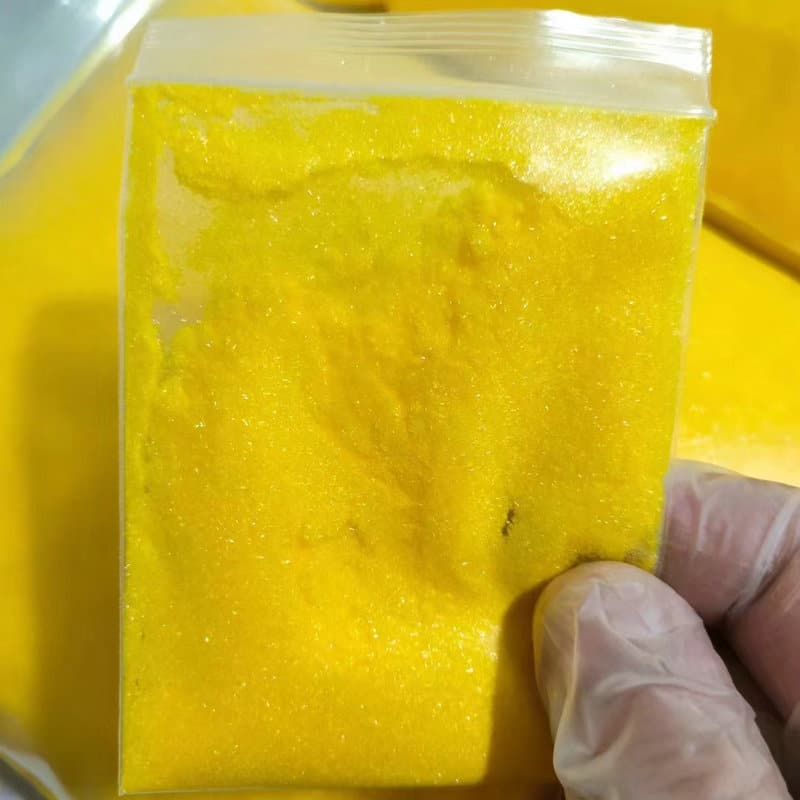
Retinal, also known as retinaldehyde, is another vitamin A derivative used in cosmetic skincare. All-trans-retinal has the molecular formula C20H28O and CAS number 116-31-4.
Retinal differs chemically from retinol because it contains an aldehyde functional group rather than the alcohol functional group found in retinol.
This structural difference affects its position in the vitamin A metabolic pathway.
Retinal requires one oxidative conversion step to form retinoic acid, whereas retinol first converts into retinal and then into retinoic acid.
What Are the Potential Benefits of Retinal?
Topical retinaldehyde has been investigated for improvements in the appearance of photoaged skin, including roughness, fine lines, and wrinkles.
Its closer biochemical relationship to retinoic acid makes it an appealing skincare ingredient. However, a shorter conversion pathway does not establish an exact improvement in clinical results or guarantee that every retinal product will outperform every retinol product.
The complete product formulation, ingredient stability, concentration, delivery system, and regular use all influence outcomes.
4. Retinol vs Retinal: How Do They Work?
The main biochemical distinction between retinol and retinal involves their conversion into retinoic acid.
The simplified conversion pathway is:
Retinol → Retinal (Retinaldehyde) → Retinoic Acid
Retinol requires two conversion steps along this pathway. Retinal requires one.
In biological systems, vitamin A metabolism is more complex than this simplified sequence. Retinal may also be converted back to retinol, while enzyme activity and local regulation influence the production of retinoic acid.
Because retinoic acid mediates many important retinoid effects in skin, a molecule that is closer to retinoic acid may offer a pharmacological advantage. Nevertheless, the number of conversion steps alone cannot predict the exact performance of a finished skincare product.
Does This Mean Retinal Is Stronger Than Retinol?
Retinal is generally considered a more direct precursor to retinoic acid, and it is often described as more potent than retinol. However, claims that retinal is universally a specific number of times stronger or faster should be treated carefully.
A reliable comparison would require controlled studies using defined formulations, concentrations, and measurable skin outcomes.
For consumers, the most useful distinction is that retinal may be an option for people seeking a more direct retinoic acid precursor, while retinol remains an established cosmetic ingredient with a broad range of available formulations.

5. Retinol vs Retinal: Which Is Better for Your Skin?
Neither ingredient is automatically the best choice for everyone. The answer depends on the intended benefit, skin tolerance, product concentration, and formulation.
| Consideration | Retinol | Retinal |
|---|---|---|
| Conversion to retinoic acid | Two steps | One step |
| Skin-aging applications | Studied for photoaging | Studied for photoaging |
| Potential irritation | Possible | Possible |
| Ideal beginner choice | A low-strength, well-formulated product may be appropriate | A low-strength, well-formulated product may also be appropriate |
| Product performance | Depends on formulation and use | Depends on formulation and use |
| Skin tolerance | Varies by individual | Varies by individual |
For Beginners
If you are new to retinoids, a low-strength retinol formulation is often a reasonable starting point. Introduce the product gradually and monitor your skin's response.
However, ingredient name alone does not determine tolerability. A well-designed retinal formulation at an appropriate concentration may be tolerated better than a poorly formulated or overly concentrated retinol product.
For Fine Lines and Wrinkles
Both retinol and retinal have been studied for age-related skin changes.
A review of cosmetic retinoids describes their roles in improving features of photoaging, although the amount and quality of clinical evidence vary between compounds and formulations.
For more pronounced photoaging, a dermatologist may recommend a prescription treatment with stronger clinical evidence, such as tretinoin.
For Uneven Skin Tone
Retinoids can influence cellular processes associated with epidermal renewal and pigmentation. Both ingredients may be useful components of a skincare routine targeting uneven tone.
Daily sun protection remains essential, particularly when trying to improve sun-related pigmentation.
For Acne-Prone Skin
Some retinoids are established acne treatments. However, this does not mean every cosmetic retinol or retinal product has equivalent evidence or regulatory approval for treating acne.
People with persistent or moderate-to-severe acne should seek advice about treatments with established clinical evidence, including appropriate topical acne medications.
6. Is Retinal More Irritating Than Retinol?
Both retinol and retinal can cause local irritation, particularly when first introduced into a skincare routine.
Possible reactions include:
Dryness or tightness
Redness
Flaking or peeling
Stinging or burning sensations
Temporary discomfort, especially with frequent application
Retinal's shorter conversion pathway does not mean it will always cause greater irritation. Clinical tolerance depends on the specific formulation and the individual using it.
People with eczema, a compromised skin barrier, significant inflammation, or very reactive skin should consult a dermatologist before starting a retinoid.
7. How to Use Retinol or Retinal Safely
Introducing a retinoid gradually can help reduce the likelihood of avoidable irritation.
Step 1: Choose One Retinoid Product
Begin with either retinol or retinal rather than introducing several retinoid products simultaneously.
Step 2: Start with Infrequent Application
A cautious approach is to apply the product on two nonconsecutive evenings per week initially, if the product instructions allow. Increase frequency gradually according to tolerance.
Step 3: Apply to Clean, Dry Skin
Follow the manufacturer's instructions. Avoid direct application into the eyes, onto the lips, or onto broken or significantly irritated skin.
Step 4: Use a Moisturizer
A compatible moisturizer can help support skin comfort and reduce dryness. Some people prefer applying moisturizer before and after their retinoid product.
Step 5: Protect Your Skin During the Day
Use a broad-spectrum sunscreen with SPF 30 or higher as part of a daily sun-protection routine.
Important: Avoid retinoid skincare products during pregnancy. If you are pregnant, planning pregnancy, or breastfeeding, discuss your skincare routine with an appropriate healthcare professional.
8. How Long Does It Take to See Results?
Visible changes with retinol and retinal generally require consistent use over weeks or months rather than days.
Some clinical studies of topical retinoids have evaluated improvements after approximately 12 weeks, while other investigations have followed participants for longer periods.
There is no universally established timeline that applies to every retinol or retinal formulation.
Changes in texture, pigmentation, and wrinkles may also occur at different rates. Product adherence, UV exposure, baseline skin condition, and active ingredient delivery can influence the result.
It is therefore more appropriate to evaluate a product over a realistic period than to assume one ingredient will provide dramatically faster results based solely on its chemical conversion pathway.
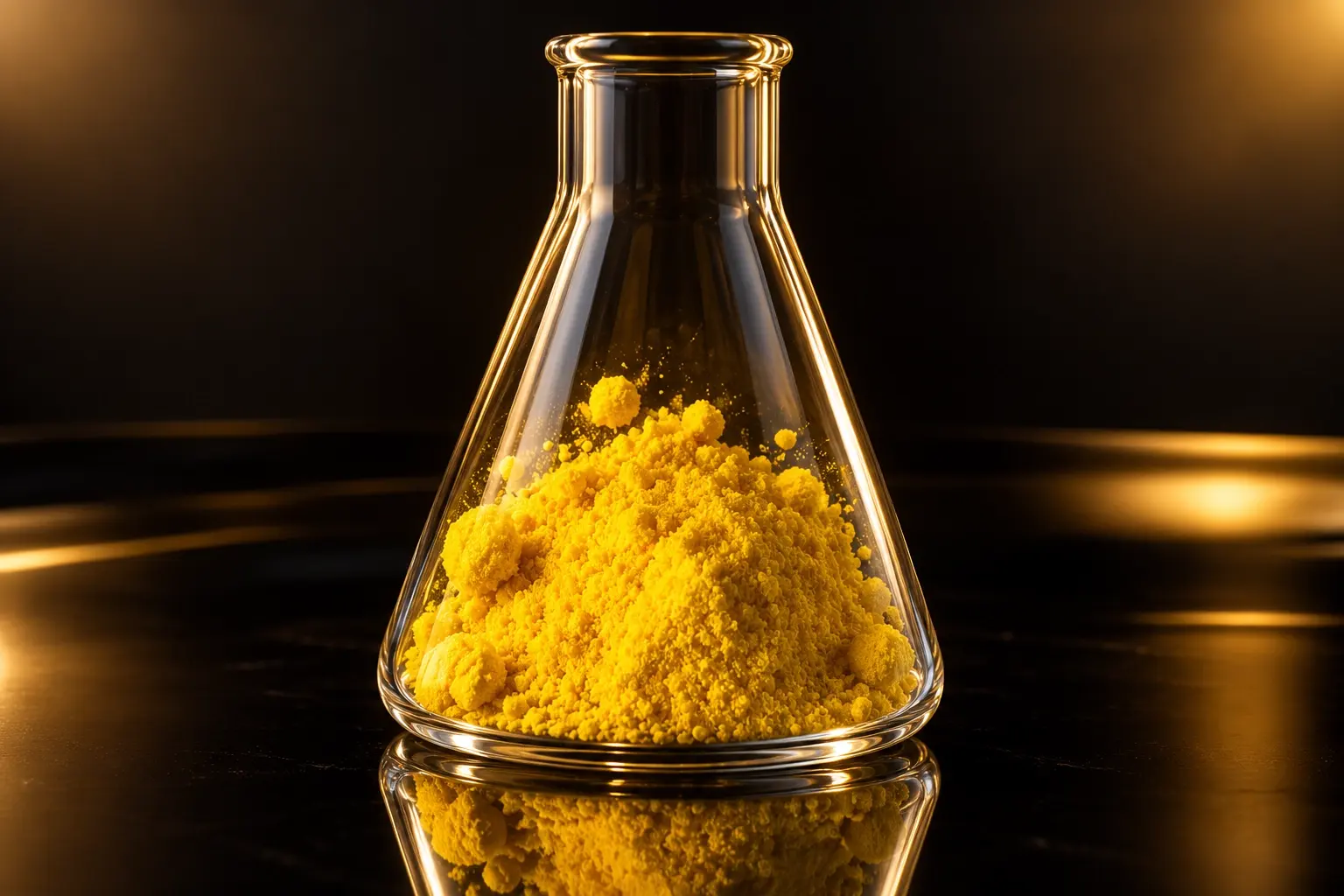
9. Retinol vs Retinal: What Should Cosmetic Formulators Consider?
Beyond consumer skincare preferences, retinol and retinal present different technical considerations for cosmetic manufacturers and formulation developers.
Raw Material Identity and Purity
Formulators should verify ingredient identity using appropriate documentation, including the ingredient name, CAS number, specification, and analytical results.
For reference, all-trans-retinol is identified by CAS 68-26-8, while all-trans-retinal is identified by CAS 116-31-4.
The stated purity of a raw material should be interpreted alongside the relevant analytical method and batch documentation.
Formulation Stability
Both retinol and retinal can undergo degradation or chemical changes under unsuitable conditions. Exposure to oxygen, light, heat, and formulation-related factors may affect their stability.
Appropriate packaging, compatible excipients, antioxidant systems where suitable, and validated stability testing are important aspects of formulation development.
Neither ingredient should be assumed to remain stable solely because the raw material has a high initial purity.
Finished Product Performance
The concentration of an active ingredient is only one part of formulation quality.
Delivery systems, ingredient compatibility, packaging, and overall formulation design influence how a skincare product performs during storage and use.
Finished products should undergo suitable stability, compatibility, safety, and performance evaluations before commercial claims are made.
Quality Control Documentation
When sourcing retinol or retinal for cosmetic manufacturing, buyers may request documentation such as a Certificate of Analysis (COA), Safety Data Sheet (SDS), Technical Data Sheet (TDS), and applicable analytical information.
High-performance liquid chromatography (HPLC) is one analytical technique that may be used to evaluate appropriate quality attributes, depending on the validated method.
10. Frequently Asked Questions About Retinol vs Retina
Is retina another name for retinol?
No. The retina is tissue inside the eye, while retinol is a vitamin A compound. The name commonly confused with retinol in skincare is retinal, also called retinaldehyde.
Is retinal the same as retina?
No. Retinal is a chemical compound involved in vitamin A metabolism and vision. The retina is an anatomical structure containing the eye's photoreceptor cells.
Is retinal better than retinol?
Retinal requires one fewer conversion step to retinoic acid, but this does not guarantee superior clinical results in every formulation. Both ingredients have potential skincare applications, and the best choice depends on formulation quality, skin tolerance, and individual goals.
Can I use retinol and retinal together?
Using both at the same time is generally unnecessary and may increase irritation. Unless a dermatologist recommends otherwise, selecting one suitable retinoid product is a more practical approach.
Is retinal stronger than retinol for wrinkles?
Retinal is closer to retinoic acid in the conversion pathway. However, the relative improvement in wrinkles depends on the products being compared, and there is insufficient justification for applying a universal numerical potency ratio to all formulations.
Is Retin-A the same as retinal?
No. Retin-A is a brand name associated with tretinoin, which is all-trans-retinoic acid. Retinal is retinaldehyde, a precursor that can be converted into retinoic acid.
Does retinol help the retina in the eye?
Vitamin A is essential for normal vision, and retinal molecules participate in the visual cycle. However, cosmetic retinol applied to the skin should not be considered a treatment for diseases of the retina or a substitute for appropriate eye care.
Can sensitive skin use retinol or retinal?
Some people with sensitive skin can tolerate appropriately formulated retinoid products, particularly with gradual introduction. Others experience significant irritation. Individuals with persistent redness or inflammatory skin conditions should seek professional advice before use.
11. Final Verdict: Retinol vs Retina vs Retinal
The most important distinction is simple: retinol and retinal are vitamin A-related compounds, while the retina is part of the eye.
If you intended to compare retinol with retinal for skincare, both are relevant ingredients in cosmetic formulations targeting visible signs of skin aging.
Retinol requires conversion to retinal and then retinoic acid. Retinal sits one step closer to retinoic acid. Although this makes retinal an interesting alternative, chemical conversion pathways do not independently establish which finished skincare product will deliver the best results.
Choose an appropriately formulated product based on your skin's needs, start cautiously, maintain sun protection, and seek professional advice when necessary.
References and Further Reading
American Academy of Dermatology Association. Retinoid or Retinol?
National Eye Institute. How the Eyes Work.
Mambwe B, et al. Cosmetic Retinoid Use in Photoaged Skin: A Review of the Compounds, Their Use and Mechanisms of Action. International Journal of Cosmetic Science, 2025.
A Clinician's Guide to Topical Retinoids.
Evidence for the Efficacy of Over-the-counter Vitamin A Cosmetic Products in the Improvement of Facial Skin Aging: A Systematic Review.
American Academy of Dermatology Association. Dermatologist-approved Pregnancy Skin Care.
Disclaimer: This article provides general educational information about cosmetic ingredients and does not replace professional medical advice. Skincare ingredients and cosmetic products should not be used to diagnose or treat eye diseases.