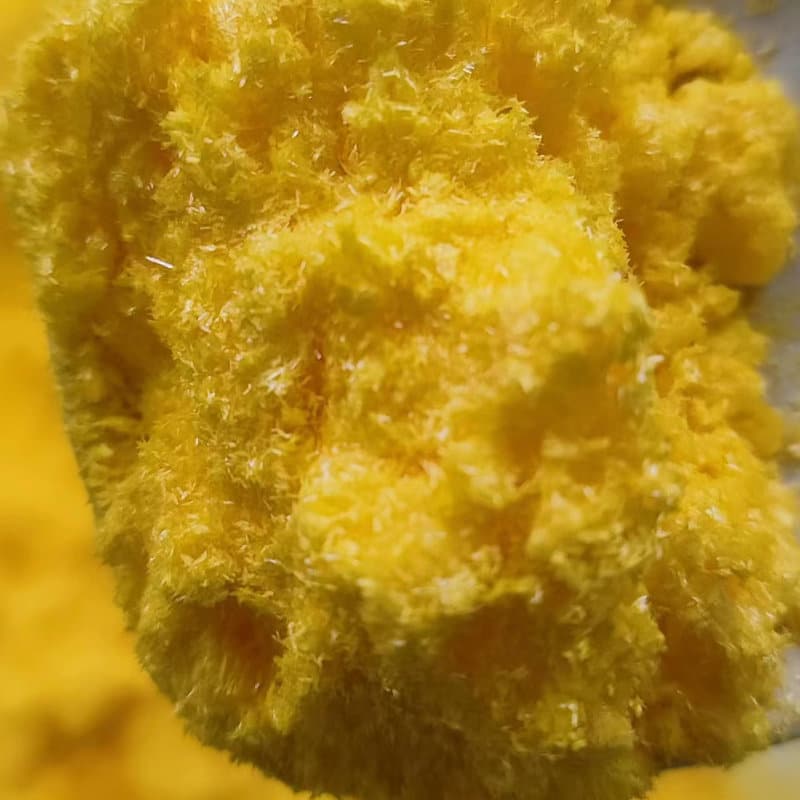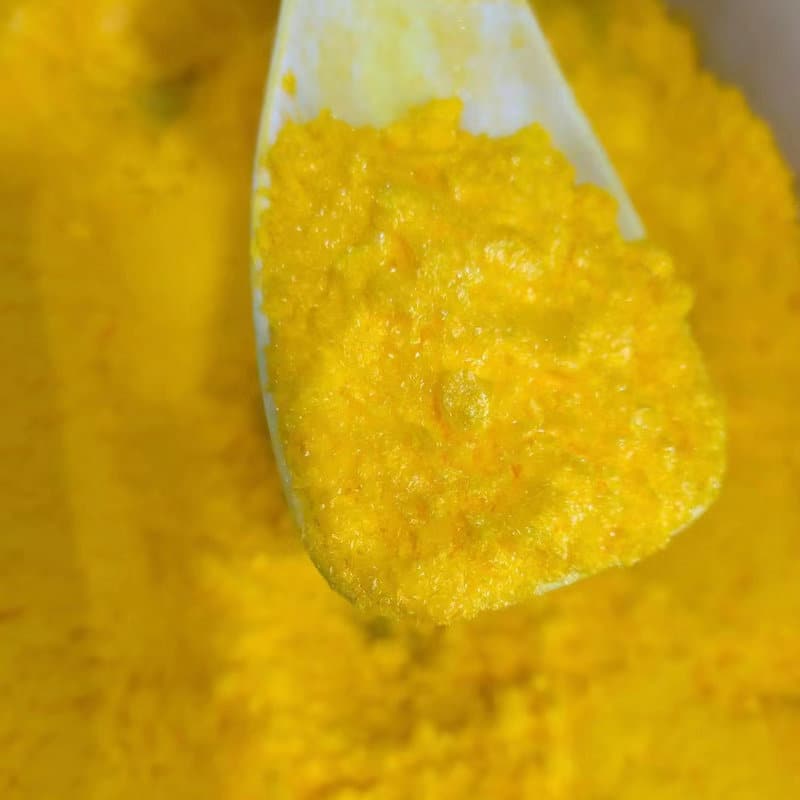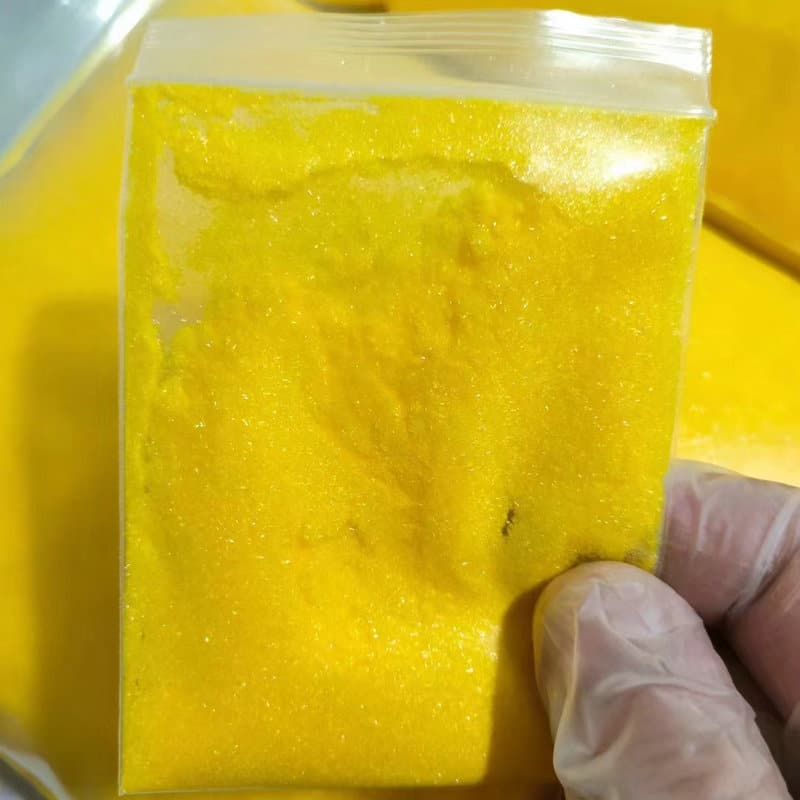
Retinaldehyde vs Retinal: Are They the Same Ingredient? Benefits, Differences, and Uses
Retinaldehyde vs retinal: What is the difference? The answer is simple: retinaldehyde and retinal are two names for the same vitamin A derivative. They have the same chemical structure, molecular formula, and biological identity. In skincare, the terms are generally used interchangeably.
However, retinaldehyde is not the same as retinol or tretinoin. Understanding these distinctions can help you choose skincare products, interpret ingredient labels, and evaluate cosmetic raw materials more accurately.
This guide explains why retinal and retinaldehyde are identical, how they work in the skin, their potential benefits, and what matters when selecting a retinal-based formulation.
Are Retinaldehyde and Retinal the Same?
Yes. Retinaldehyde and retinal refer to the same chemical compound. Retinal is the shorter name, while retinaldehyde emphasizes the aldehyde functional group in its molecular structure.
Both names are used in scientific literature, cosmetic ingredient information, and commercial product descriptions.
For example, a skincare product labeled "0.05% retinal" and another labeled "0.05% retinaldehyde" may contain the same active ingredient. However, this does not automatically mean that the two finished formulations have identical stability, delivery, tolerability, or performance.
Retinaldehyde vs Retinal: Quick Comparison
| Property | Retinaldehyde | Retinal |
|---|---|---|
| Chemical identity | Vitamin A aldehyde | Vitamin A aldehyde |
| Same ingredient? | Yes | Yes |
| CAS number (all-trans form) | 116-31-4 | 116-31-4 |
| Molecular formula | C20H28O | C20H28O |
| Molecular weight | 284.44 g/mol | 284.44 g/mol |
| Retinoid family | Yes | Yes |
| Conversion to retinoic acid | One oxidation step | One oxidation step |
| Common skincare applications | Anti-aging and skin texture care | Anti-aging and skin texture care |
Key takeaway: There is no inherent difference in strength, benefits, or chemical activity between retinal and retinaldehyde because they are the same molecule. Differences between products come from concentration, formulation, stability, and other ingredients.
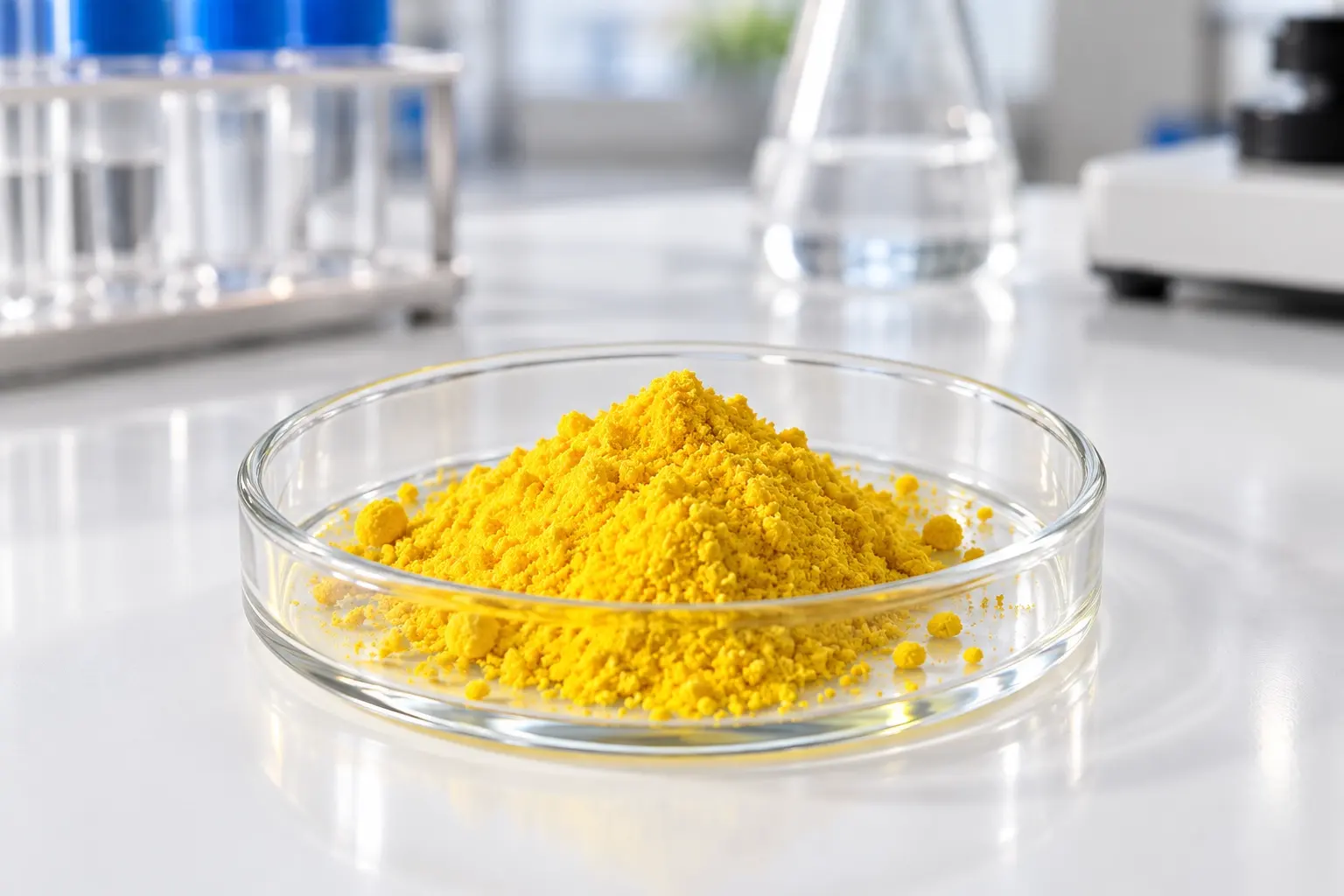
What Is Retinaldehyde?
Retinaldehyde, commonly called retinal, is an aldehyde form of vitamin A and a member of the retinoid family.
It is an intermediate in the biological pathway connecting retinol and retinoic acid. This position is particularly relevant in skincare because retinoic acid is the biologically active form responsible for many well-established retinoid effects in skin.
Unlike tretinoin, retinaldehyde must undergo metabolic conversion before it can produce retinoic-acid-mediated effects.
Chemical Properties of Retinaldehyde
Chemical name: Retinal / Retinaldehyde
Common form: All-trans-retinal
CAS number: 116-31-4
Molecular formula: C20H28O
Molecular weight: Approximately 284.44 g/mol
Chemical family: Retinoids
Functional group: Aldehyde
Other names: Vitamin A aldehyde, all-trans-retinaldehyde, retinene, and retinyl aldehyde
The molecular formula and CAS number above refer specifically to the commonly used all-trans form. Retinal also exists in other geometric isomeric forms, which should not automatically be treated as chemically identical materials for procurement purposes.
According to the PubChem chemical database and the NIST Chemistry WebBook, retinaldehyde and retinal are recognized names for all-trans-retinal, CAS 116-31-4.
Why Is Retinal Also Called Retinaldehyde?
The difference between the two names comes from chemical nomenclature rather than ingredient functionality.
The word "retinal" is a shortened chemical name, while "retinaldehyde" makes the aldehyde nature of the molecule more explicit.
An aldehyde contains a characteristic carbonyl functional group. Retinal has this group, whereas retinol has an alcohol functional group.
This distinction matters because the chemical difference between retinal and retinol affects how they participate in vitamin A metabolism.
In skincare marketing, brands may prefer the shorter word "retinal" because it is easier to recognize. Scientific publications and technical documents often use "retinaldehyde." Neither name, by itself, indicates a higher-purity or more effective ingredient.
How Does Retinaldehyde Work in the Skin?
Retinaldehyde works as a precursor to retinoic acid, a biologically active vitamin A metabolite involved in regulating skin-cell behavior.
The simplified conversion pathway is:
Retinol → Retinal (Retinaldehyde) → Retinoic Acid
Retinol must first be oxidized into retinal before it can be converted into retinoic acid. Retinal is already at the intermediate stage and requires one further oxidation step.
However, the number of conversion steps alone does not establish a fixed clinical potency ratio. Actual biological effects depend on enzyme activity, ingredient availability, product delivery, and individual skin response.
Why Is This Conversion Important?
Retinoic acid interacts with nuclear retinoid receptors that regulate gene expression and influence processes associated with epidermal renewal and skin structure.
Clinical research suggests that topical retinaldehyde can produce measurable biological activity and may help improve certain features of photoaged skin.
Importantly, not all retinaldehyde applied to the skin becomes retinoic acid. Some can be metabolized through other vitamin A pathways, including conversion into storage forms such as retinyl esters.
This regulated metabolism is one reason retinaldehyde is studied as an alternative to directly applying retinoic acid.
Retinaldehyde vs Retinol: What Is the Difference?
Although retinaldehyde and retinal are identical, retinaldehyde and retinol are different chemical compounds.
Both are retinoids, but they occupy different positions within vitamin A metabolism.
| Feature | Retinol | Retinaldehyde / Retinal |
|---|---|---|
| Chemical type | Alcohol | Aldehyde |
| CAS number (all-trans form) | 68-26-8 | 116-31-4 |
| Conversion steps to retinoic acid | Two | One |
| Topical anti-aging applications | Yes | Yes |
| Potential for irritation | Yes | Yes |
| Product performance | Formulation-dependent | Formulation-dependent |
Is Retinaldehyde Stronger Than Retinol?
Retinaldehyde is one metabolic step closer to retinoic acid than retinol. This provides a biochemical explanation for why retinaldehyde can be an effective topical retinoid.
However, claims that retinaldehyde is always a specific number of times stronger or faster than retinol should be treated cautiously.
Such claims cannot be applied universally across skincare products without considering concentrations, delivery systems, stability, study endpoints, and clinical evidence.
A well-formulated retinol product may perform differently from a poorly stabilized retinal product, even though retinal is closer to retinoic acid in the metabolic pathway.
What Are the Benefits of Retinaldehyde for Skin?
Retinaldehyde has been investigated for its effects on photoaging, skin texture, and other dermatological concerns.
The extent of benefit depends on the product and the evidence supporting its formulation.
1. May Improve Fine Lines and Wrinkles
Topical retinaldehyde has been studied as an anti-aging ingredient, particularly for skin affected by chronic sun exposure.
Clinical investigations have reported improvements in certain measures of skin surface appearance, including wrinkle-related parameters.
However, results have not been uniformly superior to control treatments across all studies, and benefits should not be interpreted as guaranteed wrinkle removal.
2. Supports Skin Renewal
Vitamin A signaling contributes to the regulation of epidermal cell differentiation and renewal.
Human skin research has shown that topical retinaldehyde can induce measurable changes in markers associated with epidermal activity.
These findings support its biological relevance in skincare, although laboratory markers do not automatically predict the same visible results in every individual.
3. May Improve Uneven Skin Texture
Retinoid treatments are commonly used to address rough skin texture and visible signs of photoaging.
Retinaldehyde-containing formulations may contribute to smoother-looking skin with consistent use, but the magnitude and timing of improvement can differ between products.
4. May Help the Appearance of Uneven Skin Tone
Retinoids can influence processes relevant to epidermal renewal and pigmentation appearance.
Retinaldehyde may be included in formulations intended to improve uneven-looking skin tone. Nevertheless, clinical evidence should be evaluated for the specific product and condition rather than assuming that all retinal products deliver identical brightening effects.
5. Potential Applications in Blemish-Prone Skin
Retinaldehyde has been investigated in dermatology and is sometimes included in products marketed for blemish-prone skin.
However, its presence in a cosmetic product should not be confused with an approved prescription acne treatment.
People with persistent, inflammatory, or scarring acne should seek individualized medical treatment rather than relying solely on cosmetic retinal products.
Retinaldehyde vs Tretinoin: Are They the Same?
No. Retinaldehyde and tretinoin are chemically and pharmacologically different.
Tretinoin is all-trans retinoic acid, while retinaldehyde is a precursor that can be converted into retinoic acid in the skin.
Tretinoin directly activates retinoic acid signaling pathways and is used as a prescription medication in many jurisdictions.
Retinaldehyde is widely used in cosmetic skincare, subject to applicable local regulations.
A clinical literature review published in Advances in Therapy examined retinaldehyde studies and noted evidence of activity and tolerability. Nevertheless, the available clinical evidence does not establish that all retinaldehyde products provide results equivalent to prescription tretinoin.
Is Retinaldehyde Suitable for Sensitive Skin?
Some people tolerate retinaldehyde-containing products well, but retinaldehyde can still cause irritation.
Possible reactions include:
Dryness and tightness
Redness
Peeling or flaking
Temporary stinging or burning
Increased sensitivity during the adjustment period
Skin sensitivity depends on several factors, including formulation strength, frequency of application, supporting ingredients, and individual skin-barrier condition.
Clinical studies have reported good tolerability with certain retinaldehyde preparations, including formulations containing 0.05% or 0.1%. These findings do not guarantee that every product at these concentrations will be equally well tolerated.
People with sensitive skin should introduce retinoids gradually and discontinue use if significant irritation develops.
How to Use Retinaldehyde in a Skincare Routine
Because retinal and retinaldehyde are the same ingredient, the basic usage principles are identical.
Step 1: Start with a Suitable Formula
Choose a clearly labeled skincare product with directions appropriate for your experience and skin tolerance.
Concentration alone does not determine product strength or irritation potential.
Step 2: Introduce It Gradually
For beginners, using a retinal product on a limited number of evenings per week may help assess tolerance. Increase frequency only as tolerated and according to the manufacturer's instructions.
Step 3: Apply to Clean, Dry Skin
Follow the specific product directions. Avoid contact with the eyes and other sensitive areas unless the product is expressly designed for those areas.
Step 4: Use Moisturizer
Moisturizer can help reduce dryness associated with retinoid use.
Formulations containing supportive moisturizing ingredients may make a routine more comfortable, although individual responses vary.
Step 5: Use Sun Protection
Apply broad-spectrum sunscreen with SPF 30 or higher during the day, along with appropriate protective clothing and sun-avoidance measures.
Nighttime application is commonly recommended for retinoid skincare products.
Important safety note: Retinoid skincare products should be avoided during pregnancy. If you are pregnant, planning pregnancy, or breastfeeding, discuss product safety with a qualified healthcare professional before use.
How Long Does Retinaldehyde Take to Show Results?
There is no universal timeline for every retinaldehyde formulation.
Some clinical studies have evaluated retinaldehyde products over periods of several weeks to several months. Changes in visible skin texture and photoaging-related features generally require consistent use and appropriate follow-up.
Results depend on the treatment concentration, formulation, skin condition, frequency of use, and the outcome being measured.
Rather than expecting a guaranteed improvement after a specific number of days, users should follow product directions, monitor tolerance, and evaluate progress over time.
Does Retinaldehyde Have Stability Challenges?
Yes. Retinaldehyde belongs to a family of vitamin A-related compounds that can be sensitive to environmental and formulation conditions.
Exposure to light, oxygen, and unsuitable processing or storage conditions may contribute to chemical degradation or isomerization.
For cosmetic product developers, retinaldehyde stability is an important consideration because the initial amount of an ingredient does not necessarily represent the amount remaining throughout a finished product's shelf life.
Factors to Consider in Formulation
Light exposure: Packaging and processing should be evaluated for protection against photodegradation.
Oxygen exposure: The formulation and packaging system should be assessed for oxidative stability.
Temperature: Storage and processing conditions should follow validated raw-material and product stability data.
Ingredient compatibility: The surrounding formulation can affect retinaldehyde stability.
Delivery systems: Encapsulation or other stabilization approaches may be useful, but effectiveness must be demonstrated for the particular formulation.
Raw-material stability and finished-product stability are separate considerations. A stable raw material does not automatically guarantee a stable finished cosmetic product.
How to Identify Retinaldehyde in Cosmetic Raw Materials
For cosmetic formulators and ingredient buyers, understanding the naming convention helps prevent unnecessary confusion during sourcing.
A supplier may describe the same all-trans ingredient using terms such as retinal, retinaldehyde, all-trans-retinal, or vitamin A aldehyde.
However, buyers should verify the actual chemical identity rather than relying only on a marketing description.

What Should Buyers Check?
CAS identification: Verify whether the supplied material is all-trans-retinal, CAS 116-31-4.
Purity: Review the stated assay and the method used to determine it.
Isomer composition: Confirm whether the material specification addresses relevant retinal isomers.
Certificate of Analysis (COA): Request batch-specific testing information.
Technical Data Sheet (TDS): Review handling recommendations and relevant material properties.
Safety Data Sheet (SDS): Evaluate handling, storage, and safety information.
Stability information: Confirm recommended packaging, storage conditions, and shelf-life information.
Analytical methods such as HPLC may be used in retinaldehyde quality assessment. When reviewing purity results, it is important to understand the validated method and whether the reported value represents a quantitative assay or an area-normalization result.
For formulation development, raw-material identity, purity, stability, and compatibility may be more commercially meaningful than the choice between the names "retinal" and "retinaldehyde."
Frequently Asked Questions About Retinaldehyde vs Retinal
Is retinaldehyde the same as retinal?
Yes. In skincare and chemistry, retinaldehyde and retinal are names for the same vitamin A aldehyde. The commonly referenced all-trans compound has CAS number 116-31-4.
Is retinal stronger than retinaldehyde?
No. Retinal and retinaldehyde are chemically identical, so neither is inherently stronger. Finished products may differ because of ingredient concentration, formulation, stability, and delivery.
Is retinaldehyde different from retinol?
Yes. Retinol is a vitamin A alcohol, while retinaldehyde is a vitamin A aldehyde. Retinol undergoes conversion to retinal before it can be converted into retinoic acid.
Does retinaldehyde work faster than retinol?
Retinaldehyde requires fewer metabolic conversion steps to form retinoic acid. However, that does not guarantee faster visible results from every retinaldehyde skincare product. Comparative outcomes depend on the specific formulations and clinical evidence.
Are retinal and retinaldehyde safe to use together?
They are the same ingredient, so using separate products labeled retinal and retinaldehyde may result in applying additional amounts of the same retinoid. Layering multiple retinoid products can increase irritation and generally should not be done without appropriate professional guidance.
Can retinaldehyde cause purging?
Some users experience new blemishes when introducing retinoids, but not every breakout represents a temporary adjustment. Persistent or worsening acne, marked irritation, or an unusual rash should be evaluated rather than automatically described as purging.
Can I use retinaldehyde every day?
Daily use may be appropriate for some well-tolerated products, but beginners often benefit from gradual introduction. Follow the manufacturer's directions and reduce frequency if irritation occurs.
Is retinaldehyde suitable for beginners?
Some retinaldehyde formulations are designed for beginners. Suitability depends on product strength, formulation, skin condition, and individual tolerance rather than the ingredient name alone.
Is retinaldehyde the same as Retin-A?
No. Retin-A is a brand name associated with tretinoin, which is retinoic acid. Retinaldehyde is a different compound that can be metabolized into retinoic acid in the skin.
Is retinaldehyde the same as vitamin A?
Retinaldehyde is a form of vitamin A, specifically vitamin A aldehyde. However, vitamin A is a broader term encompassing multiple related compounds, including retinol, retinal, and retinyl esters.
What is the CAS number of retinaldehyde?
The CAS number commonly used for all-trans-retinaldehyde is 116-31-4. Its molecular formula is C20H28O, and its molecular weight is approximately 284.44 g/mol.
Should I choose a product labeled retinal or retinaldehyde?
Choose based on the finished product rather than the wording on the label. Consider concentration, formulation quality, supporting ingredients, packaging, manufacturer instructions, and your skin's tolerance.
Final Verdict: Retinaldehyde vs Retinal
Retinaldehyde and retinal are the same skincare ingredient, not two competing retinoids. Both terms refer to vitamin A aldehyde, which can be converted into retinoic acid in the skin.
The important distinctions are between retinaldehyde and other retinoids, particularly retinol and tretinoin. Retinol is an earlier intermediate in the conversion pathway, whereas tretinoin is retinoic acid itself.
For skincare consumers, the most useful considerations are product formulation, concentration, tolerance, and evidence supporting its intended benefits.
For cosmetic ingredient buyers and manufacturers, attention should focus on verified chemical identity, isomer composition, purity, analytical documentation, stability, and formulation compatibility.
Ultimately, whether a product label says retinal or retinaldehyde, it is the quality and suitability of the actual ingredient and formulation that matter.
Scientific References and Further Reading
PubChem. Retinal (all-trans-retinal), CID 638015. Chemical identity and properties.
National Institute of Standards and Technology. NIST Chemistry WebBook: Retinal, CAS 116-31-4. Chemical reference.
Use of Retinoids in Topical Antiaging Treatments: A Focused Review of Clinical Evidence for Conventional and Nanoformulations. Advances in Therapy, 2022. Read the review.
Topical retinaldehyde on human skin: biologic effects and tolerance. PubMed study.
American Academy of Dermatology. Retinoid or Retinol? Dermatologist guidance.
American Academy of Dermatology. Dermatologist-Approved Pregnancy Skin Care. Safety recommendations.