Is Retina the Same as Retinol? Understanding Retina, Retinal, and Retinol
No, retina is not the same as retinol. The retina is a light-sensitive layer of tissue inside the eye, while retinol is a form of vitamin A commonly used in skincare products. However, many people searching for "is retina the same as retinol" actually mean to compare retinal (retinaldehyde) and retinol, two closely related but chemically different vitamin A ingredients.
Although these terms look and sound similar, they refer to different things. Understanding the distinction is especially important when selecting anti-aging skincare products, reading cosmetic ingredient labels, or researching vitamin A derivatives.
This guide explains what retina, retinal, and retinol are, how they differ, their roles in the body, and which vitamin A ingredient may be more appropriate for your skincare needs.
What Is the Difference Between Retina, Retinal, and Retinol?
The easiest way to understand the terminology is to compare their definitions, biological functions, and applications.
| Feature | Retina | Retinal | Retinol |
|---|---|---|---|
| Definition | Light-sensitive tissue inside the eye | Vitamin A aldehyde, also called retinaldehyde | Vitamin A alcohol |
| Category | Anatomical structure | Retinoid compound | Retinoid compound |
| Main function | Detects light and supports vision | Participates in vision and vitamin A metabolism | Supports vitamin A functions and serves as a precursor to retinal |
| Skincare ingredient | No | Yes | Yes |
| CAS number | Not applicable | 116-31-4 (all-trans-retinal) | 68-26-8 (all-trans-retinol) |
| Role in skin | Not applicable | Can convert to retinoic acid | Can convert to retinal and then retinoic acid |
Key takeaway: Retina is part of the eye. Retinal and retinol are different vitamin A compounds. In skincare discussions, retinal is often the intended word when someone mistakenly writes "retina."
What Is the Retina?
The retina is a thin, light-sensitive layer of nervous tissue located at the back of the eye. It plays an essential role in vision by detecting incoming light and helping convert it into electrical signals that travel to the brain through the optic nerve.
According to the National Eye Institute, the retina contains specialized photoreceptor cells known as rods and cones. These cells help the visual system respond to different lighting conditions and perceive visual information.
The retina is not a cosmetic ingredient, chemical exfoliant, or anti-aging treatment. Therefore, comparing the retina directly with retinol as if they were interchangeable skincare ingredients would be scientifically incorrect.
However, vitamin A metabolism is important for normal vision. A specialized form of retinal, known as 11-cis-retinal, participates in the visual cycle by helping light-sensitive pigments respond to light.
What Is Retinol?
Retinol is a form of vitamin A that belongs to the retinoid family. It is widely used in cosmetic skincare formulations designed to improve the appearance of fine lines, uneven skin tone, and rough skin texture.
Retinol has the molecular formula C20H30O, a molecular weight of approximately 286.45 g/mol, and CAS number 68-26-8 for all-trans-retinol.
After topical application, retinol can be metabolized through a two-step oxidation pathway:
Retinol → Retinal → Retinoic Acid
Retinoic acid is the form that directly activates specific retinoid receptors involved in regulating gene expression. This signaling pathway contributes to the biological effects associated with topical retinoid treatments.
What Does Retinol Do for the Skin?
Evidence from dermatological research indicates that appropriately formulated topical retinol products may help improve several visible signs of skin aging.
Fine lines: Retinol may gradually improve the appearance of fine lines through changes in skin renewal and dermal structure.
Skin texture: Consistent use may help make uneven or rough skin appear smoother.
Uneven pigmentation: Retinol may help improve the appearance of certain pigmentation irregularities.
Photoaging: Retinol is used in cosmetic products targeting some visible effects of long-term sun exposure.
Acne-prone skin: Retinoid activity can influence processes involved in pore blockage, although evidence and approved indications differ among individual retinoids.
Retinol does not deliver immediate results. Visible improvements generally require consistent use over weeks to months, and the outcome depends on the product, concentration, formulation, and individual skin response.
What Is Retinal (Retinaldehyde)?
Retinal, also called retinaldehyde, is another vitamin A compound belonging to the retinoid family. It is chemically distinct from retinol but is directly connected to it through vitamin A metabolism.
All-trans-retinal has the molecular formula C20H28O, a molecular weight of approximately 284.44 g/mol, and CAS number 116-31-4.
The principal chemical difference is that retinol contains an alcohol functional group, while retinal contains an aldehyde functional group.
Retinal is an intermediate in the metabolic conversion of retinol to retinoic acid. In simplified terms, retinal requires one additional oxidation step to form retinoic acid, whereas retinol requires two.
Because of this shorter conversion pathway, retinal is often described as a more directly acting cosmetic retinoid. However, the actual performance of a finished skincare product also depends on concentration, stability, delivery technology, and the formulation as a whole.
Retinal vs Retinol: Are They the Same Ingredient?
No. Retinal and retinol are two different chemical compounds, although both belong to the vitamin A family. They share related biological pathways and are used for overlapping skincare purposes, but they are not interchangeable substances.
Their relationship can be represented by the following simplified metabolic sequence:
Retinyl Esters → Retinol → Retinal → Retinoic Acid
Retinol is converted into retinal, which can then be converted into retinoic acid. Retinal is therefore one metabolic step closer to retinoic acid than retinol.
This chemical relationship is supported by published scientific reviews of topical retinoids and vitamin A metabolism.
Is Retinal Stronger Than Retinol?
Retinal is generally considered more biologically active than retinol in the conventional vitamin A conversion pathway because it is one step closer to retinoic acid.
However, this does not mean every retinal skincare product is automatically stronger or more effective than every retinol product.
Several factors influence their practical effects:
Concentration: A formula containing a higher percentage does not necessarily produce proportionally greater results.
Ingredient stability: Retinoids are susceptible to degradation under certain environmental and formulation conditions.
Delivery system: Encapsulation and other formulation strategies can influence ingredient availability and tolerability.
Skin tolerance: Dryness, redness, and irritation can limit how frequently a product can be used.
Clinical evidence: Results from one ingredient or formulation should not automatically be applied to every other product.
In practical terms, retinal may offer an advantage in the conversion pathway, but product-specific evidence is needed before claiming a particular retinal serum will outperform a particular retinol serum.
Which Is Better for Skincare: Retinol or Retinal?
The better choice depends on skin tolerance, experience with retinoids, product formulation, and the results a person wants to achieve.
When Retinol May Be a Better Choice
Retinol is a reasonable option for people beginning a cosmetic retinoid routine, particularly when using a lower-strength product and gradually increasing application frequency.
It is widely available in different cosmetic formulations and has a substantial body of research supporting its use in the management of visible skin aging.
When Retinal May Be a Better Choice
Retinal may be worth considering for someone who already tolerates a cosmetic retinoid and wants to explore a formulation containing a vitamin A compound closer to retinoic acid in the metabolic pathway.
Research has also investigated retinaldehyde for photoaging and acne-related applications. Nevertheless, a shorter metabolic pathway should not be interpreted as a guarantee of faster clinical improvement for every user.
Is Retinal More Irritating Than Retinol?
Both ingredients can cause dryness, peeling, redness, stinging, or irritation, especially when first introduced or used too frequently.
Clinical comparisons and scientific reviews suggest that irritation depends on the specific formulation and application conditions. Retinal should not automatically be described as either gentler or more irritating than retinol in every situation.
People with sensitive or compromised skin should introduce retinoid products cautiously and seek professional advice if significant irritation occurs.
How to Use Retinol or Retinal Safely
When introducing an over-the-counter retinol or retinal skincare product, a gradual approach may improve tolerability.
Begin slowly. Consider using the product on two nonconsecutive evenings per week, unless its instructions specify otherwise.
Apply to dry skin. Follow the manufacturer's directions and avoid application to damaged or severely irritated skin.
Use a moisturizer. A suitable moisturizer can help reduce dryness associated with retinoid use.
Avoid overusing other irritating products. Combining multiple strong exfoliants or retinoids may increase irritation.
Use sunscreen. Apply broad-spectrum SPF 30 or higher during the day as part of a sun-protection routine.
Increase frequency only as tolerated. Skin response is more important than progressing quickly to daily use.
Important: Retinoid skincare products are generally avoided during pregnancy. Anyone who is pregnant, planning pregnancy, or uncertain about using a retinoid should consult a qualified healthcare professional.
Can Retinol and Retinal Be Used Together?
Retinol and retinal are closely related compounds within the same vitamin A pathway. Applying separate retinol and retinal products during the same routine is generally unnecessary and may increase irritation.
For most people, it is more practical to select one well-formulated retinoid product rather than layer multiple retinoid serums.
If an existing retinol product is working well, switching to retinal is not automatically required. Changes should be guided by skin tolerance, skincare objectives, and professional recommendations when appropriate.
How Long Does Retinol or Retinal Take to Work?
Neither retinol nor retinal should be expected to produce major visible anti-aging improvements after only a few applications.
Some users may notice early changes in skin feel or texture within several weeks, while meaningful improvements in fine lines or uneven pigmentation can require several months.
Results are influenced by the concentration, formulation, frequency of use, baseline skin condition, and the outcome being measured.
Although retinal has a shorter biochemical conversion pathway, this alone does not establish a universal timeline for how much faster a retinal product will work than a retinol product.
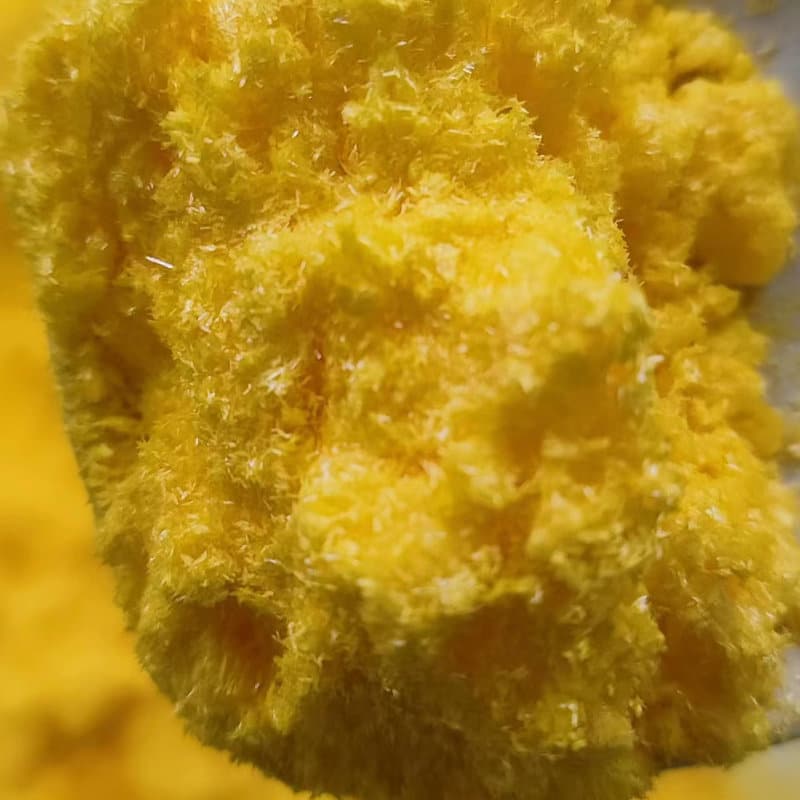
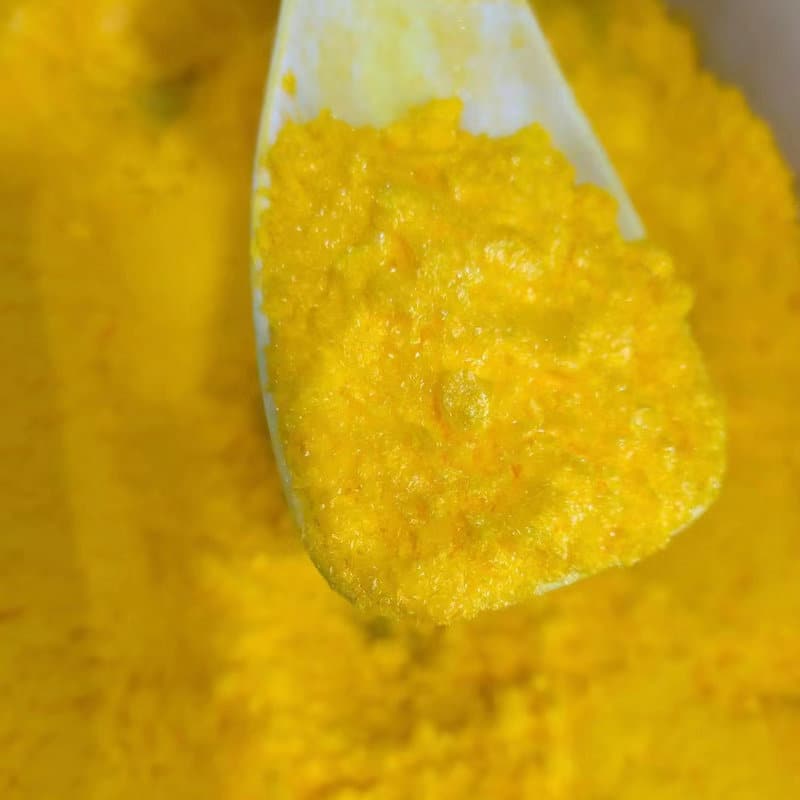
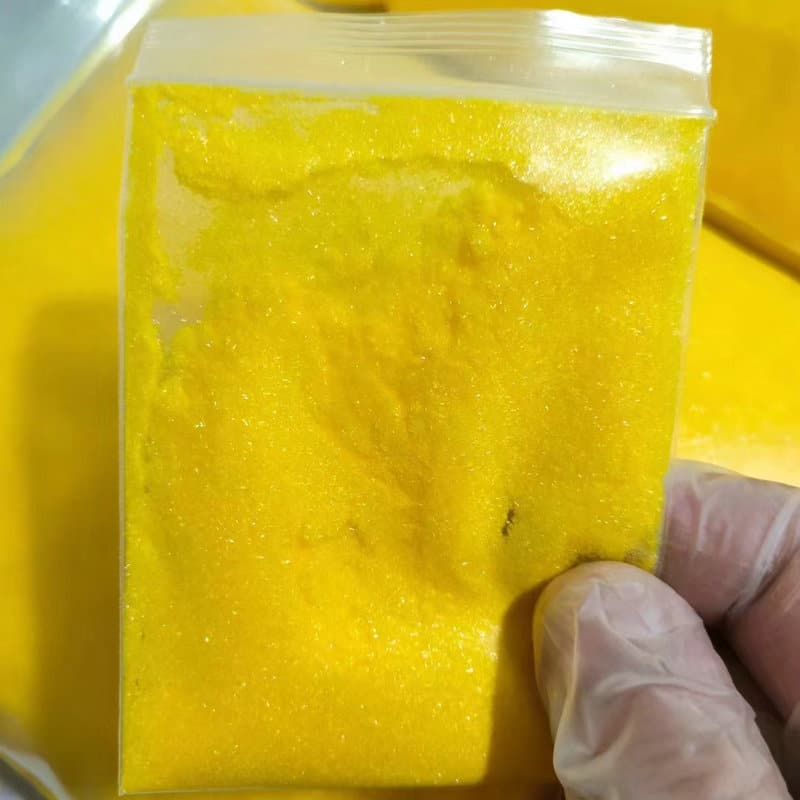
Retinol and Retinal as Cosmetic Raw Materials
For cosmetic formulators and ingredient buyers, correctly distinguishing retinol from retinal is essential because the two ingredients differ in chemical identity, molecular weight, formulation behavior, and stability requirements.
Retinol and retinal are both sensitive vitamin A ingredients that require appropriate evaluation during product development. Exposure to light, oxygen, heat, and incompatible formulation conditions may contribute to degradation.
Professional buyers should review the following information when evaluating cosmetic raw materials:
Exact ingredient identity and CAS number
Declared purity and analytical testing method
Certificate of Analysis (COA)
Safety Data Sheet (SDS)
Technical Data Sheet (TDS)
Storage and handling recommendations
Stability and compatibility with the intended formulation
Applicable cosmetic regulatory requirements in the destination market
Retinol and retinal should not be substituted for one another in a cosmetic formulation without suitable reformulation, stability testing, safety evaluation, and regulatory review.
Frequently Asked Questions
1. Is retina the same as retinol?
No. The retina is light-sensitive tissue located at the back of the eye. Retinol is a vitamin A compound used in skincare and involved in vitamin A metabolism. They are entirely different types of biological entities.
2. Is retina another name for retinal?
No. Retina refers to an anatomical structure of the eye. Retinal, or retinaldehyde, refers to a chemical compound. The similar spelling often causes confusion.
3. Is retinal the same as retinol?
No. Retinal and retinol are distinct vitamin A compounds. Retinol contains an alcohol functional group, while retinal contains an aldehyde functional group. They are connected through vitamin A metabolism but are not chemically identical.
4. Is retinal stronger than retinol?
Retinal is one conversion step closer to retinoic acid and is generally considered more biologically active in the conventional vitamin A pathway. However, the effectiveness of a finished skincare product depends on more than the ingredient's position in that pathway.
5. Can I replace retinol with retinal?
Some people may choose to switch from a retinol skincare product to a retinal product. However, the ingredients are not interchangeable at identical concentrations, and the new formulation should be introduced gradually according to its instructions.
6. Does retinol help the retina?
Vitamin A is important for normal vision, and vitamin A metabolism contributes to the visual cycle. However, applying a topical retinol skincare product is not a treatment for retinal disease or a substitute for appropriate medical care.
7. What is the difference between retinal and retinoic acid?
Retinal is a vitamin A aldehyde that can be converted into retinoic acid. Retinoic acid is the form that directly activates retinoic acid receptors. Tretinoin is an example of a retinoic acid medicine used in dermatology.
8. Can retinol or retinal be used every day?
Some people can eventually tolerate regular use, but daily application is not necessary or appropriate for everyone. Frequency should depend on the product instructions, concentration, skin response, and professional advice when needed.
Conclusion: Is Retina the Same as Retinol?
Retina is not the same as retinol, and retinal is not identical to retinol either.
The retina is a light-sensitive structure in the eye. Retinol is a form of vitamin A commonly used in cosmetic skincare products. Retinal, also called retinaldehyde, is another vitamin A compound that participates in the metabolic conversion of retinol into retinoic acid.
For skincare purposes, both retinol and retinal may help improve visible signs of aging when appropriately formulated and used consistently. Retinal is closer to retinoic acid in the conversion pathway, but choosing between these ingredients should also take into account product quality, stability, clinical evidence, and individual skin tolerance.
Understanding these differences can help consumers make informed skincare decisions and assist cosmetic formulators in identifying the correct vitamin A raw material.
Scientific References
National Eye Institute. How the Eyes Work.
National Eye Institute. Glossary: Retina.
Use of Retinoids in Topical Antiaging Treatments: A Focused Review of Clinical Evidence for Conventional and Nanoformulations.
Retinoids in the Treatment of Skin Aging: An Overview of Clinical Efficacy and Safety.
American Academy of Dermatology. Retinoid or Retinol?.
American Academy of Dermatology. Dermatologist-Approved Pregnancy Skin Care.
Disclaimer: This article is for educational purposes and does not replace professional medical advice. Skincare results and tolerance vary between individuals.