Best Retinal, Not Retinol: How to Choose the Right Retinal Serum in 2026
Looking for the best retinal, not retinol? If you want a vitamin A skincare ingredient that is one conversion step closer to retinoic acid, retinal (also called retinaldehyde) deserves your attention. It is used in skincare formulas targeting fine lines, uneven texture, visible signs of photoaging, and blemish-prone skin.
However, the strongest retinal serum is not automatically the best one. Your skin type, experience with retinoids, product concentration, stability, and tolerance all matter.
This guide explains which retinal products are worth considering, how retinal differs from retinol, what concentration to choose, and how to introduce retinal into your skincare routine safely.
Quick Answer: What Is the Best Retinal, Not Retinol?
For most people, the best retinal product is a well-formulated serum or cream containing a clearly identified retinaldehyde concentration, suitable moisturizing ingredients, and packaging that protects the formula from light and air.
Based on published 2026 skincare product guides, the following are notable options to consider. These are editorial recommendations, not the results of independent laboratory testing conducted for this article.
| Retinal Product | Best For | Key Consideration |
|---|---|---|
| Medik8 Crystal Retinal | Users seeking multiple strength options | Available in a graduated retinal product range |
| Naturium Retinaldehyde Cream Serum 0.05% | Retinal beginners | Clearly labeled 0.05% retinaldehyde concentration |
| Avène Retrinal 0.1 Intensive Cream | Users preferring a cream texture | 0.1% retinaldehyde formulation |
| Peach & Lily Retinal For All Renewing Serum | Users prioritizing a gentler-feeling formula | Designed with tolerability in mind |
| Beauty of Joseon Revive Eye Serum: Ginseng + Retinal | Users seeking a retinal eye-area product | Specialized eye serum format |
These products have appeared in published retinal recommendations from Allure and NBC Select. Their inclusion does not mean they have been proven superior in direct clinical comparisons. Formulas, product availability, and concentrations may change, so always check current manufacturer information.
Why Choose Retinal Instead of Retinol?
Retinal and retinol are both members of the retinoid family. They are vitamin A derivatives used in topical skincare, but they differ in chemical structure and metabolic conversion.
Retinol contains an alcohol functional group, while retinal contains an aldehyde group. This difference affects how the compounds are processed in the skin.
Retinol vs. Retinal Conversion Pathway
The simplified conversion pathway is:
Retinol → Retinal (Retinaldehyde) → Retinoic Acid
Retinol must undergo two conversion steps to become retinoic acid. Retinal is one step closer to retinoic acid, the form that directly interacts with nuclear retinoid receptors.
This shorter conversion pathway helps explain why retinal can demonstrate substantial biological activity at relatively low concentrations. However, conversion is regulated by skin biology, and the pathway does not establish a universal numerical potency ratio between finished skincare products.
Retinal vs. Retinol: Key Differences
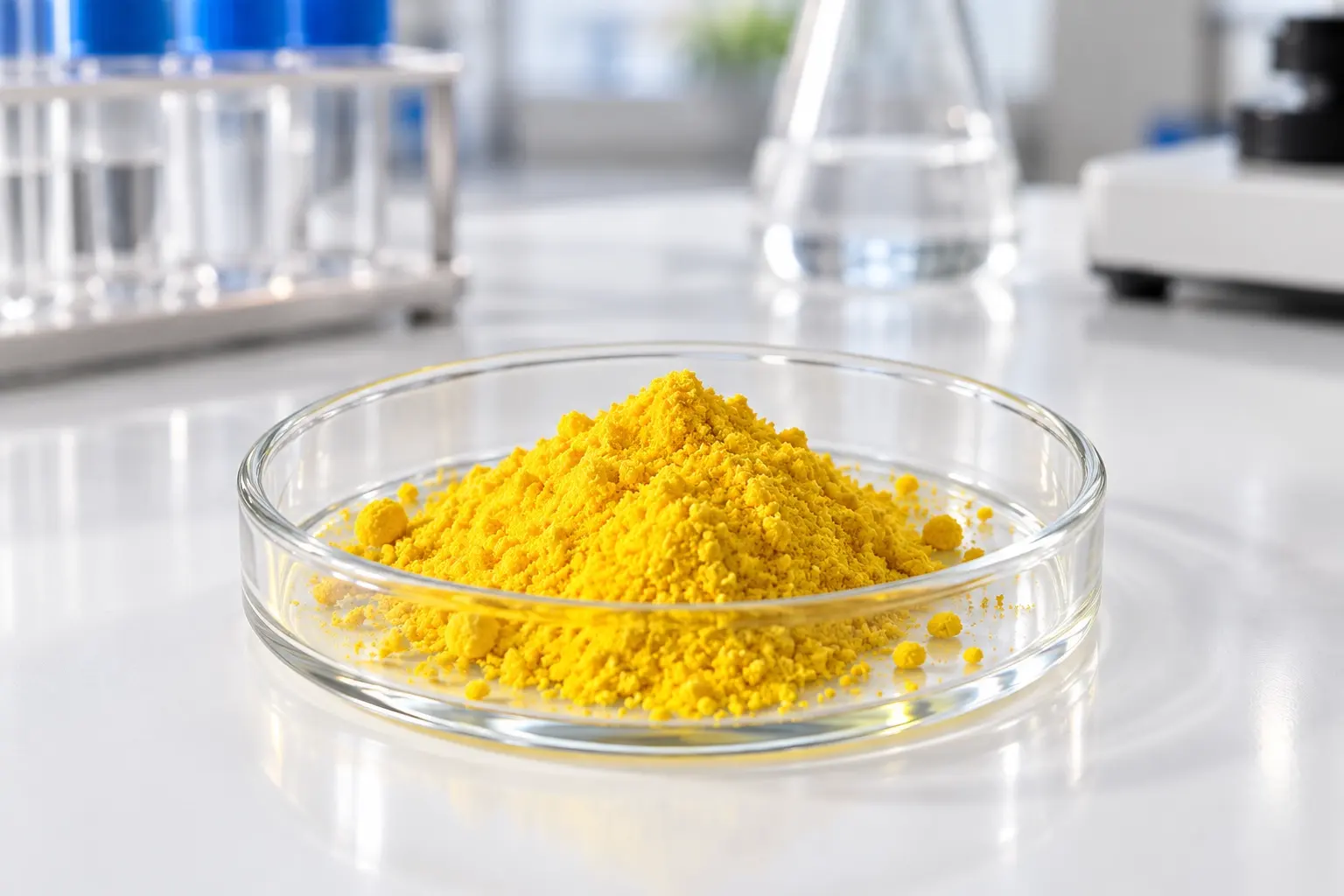
| Feature | Retinal | Retinol |
|---|---|---|
| Alternative name | Retinaldehyde | Vitamin A1 alcohol |
| CAS number | 116-31-4 | 68-26-8 |
| Conversion to retinoic acid | One step | Two steps |
| Clinical evidence | Promising anti-photoaging evidence | Substantial history of cosmetic research |
| Potential benefits | Fine lines, uneven texture, visible photoaging | Fine lines, uneven texture, visible photoaging |
| Irritation | Possible dryness, redness, and peeling | Possible dryness, redness, and peeling |
| Formulation | Requires careful stability management | Also sensitive to formulation and storage |
| Best choice | Those seeking retinal-specific formulations | Those who prefer established retinol formulas |
Important: Retinal is not automatically ten times more effective than retinol in every skincare product. Claims about fixed potency multiples often overlook differences in formulations, test methods, and clinical endpoints.
What Are the Benefits of Using Retinal?
1. Improves the Appearance of Fine Lines and Wrinkles
Clinical investigations have examined retinaldehyde for improving visible skin photoaging. A study published in the Journal of the American Academy of Dermatology compared 0.05% retinaldehyde cream with tretinoin and a vehicle formulation in people with photodamaged skin.
Retinaldehyde demonstrated improvements in measured wrinkle and skin roughness parameters and was generally well tolerated. The results support its usefulness, although they do not prove that every retinal product performs equally well.
2. Supports Smoother-Looking Skin Texture
Retinoids influence epidermal differentiation and skin renewal. With appropriate long-term use, retinal-containing skincare may help improve roughness and uneven-looking texture.
Benefits take time. Consumers should assess their skin over weeks to months rather than expecting overnight transformation.
3. May Improve Uneven Skin Tone
Retinoids are commonly used in skincare routines designed to address visible pigmentation irregularities associated with sun exposure.
However, improvement depends on the formulation, the underlying cause of discoloration, and consistent sun protection.
4. May Be Useful for Blemish-Prone Skin
Retinal has biological activity relevant to skin renewal, and some retinal products are marketed for blemish-prone complexions. Nevertheless, retinal should not be assumed to have the same clinical acne-treatment evidence as approved acne medications such as adapalene or tretinoin.
For moderate, severe, or persistent acne, professional dermatological guidance is preferable to relying on a cosmetic retinal product alone.
What Retinal Concentration Is Best?
One of the most important questions when buying a retinal serum is how much retinaldehyde the formulation contains.
The following categories are practical shopping guidelines, not medically established equivalence or dosing standards.
| Retinal Concentration | Who Might Consider It? | Important Notes |
|---|---|---|
| 0.01%–0.03% | First-time retinal users | Lower-strength options may support gradual introduction |
| 0.05% | Beginners or intermediate users | A concentration studied in clinical research |
| 0.1% | Users who already tolerate retinoids | Also represented in published retinaldehyde studies |
| 0.2% and above | Experienced users considering stronger formulas | Higher concentration does not guarantee better outcomes and may increase irritation |
For beginners: Choosing a lower concentration and gradually increasing application frequency is usually more sensible than immediately purchasing the strongest retinal serum.
For those already tolerating retinol well, switching to retinal may be an option, but the previous retinol percentage cannot be converted into an equivalent retinal percentage using a simple formula.
How to Identify a High-Quality Retinal Serum
The best retinal serum is not determined by concentration alone. Finished-product quality and stability are central to the buying decision.
Look for Retinaldehyde on the Ingredient List
Check the ingredient declaration for Retinal, the INCI name for retinaldehyde. Do not confuse it with Retinol, Retinyl Palmitate, Retinyl Acetate, or other vitamin A derivatives.
Products may use the word "retinoid" as a broad marketing term, so verifying the specific ingredient is essential.
Check Whether the Concentration Is Disclosed
A manufacturer that clearly identifies the amount of retinaldehyde makes product comparisons easier. However, concentration disclosure alone does not prove superior quality.
Evaluate Packaging and Stability
Retinal is susceptible to chemical degradation under unsuitable conditions, including exposure to light, oxygen, and heat.
Opaque, appropriately sealed packaging can help protect a retinal formulation. Airless pumps or well-designed tubes are worth considering, although the final product still requires appropriate stability validation.
Consider Supporting Ingredients
Retinal products may include ingredients such as glycerin, ceramides, panthenol, squalane, and niacinamide.
These can support moisturizing or barrier-focused formulation goals. Their inclusion does not automatically prevent irritation, so the entire formula should be evaluated.
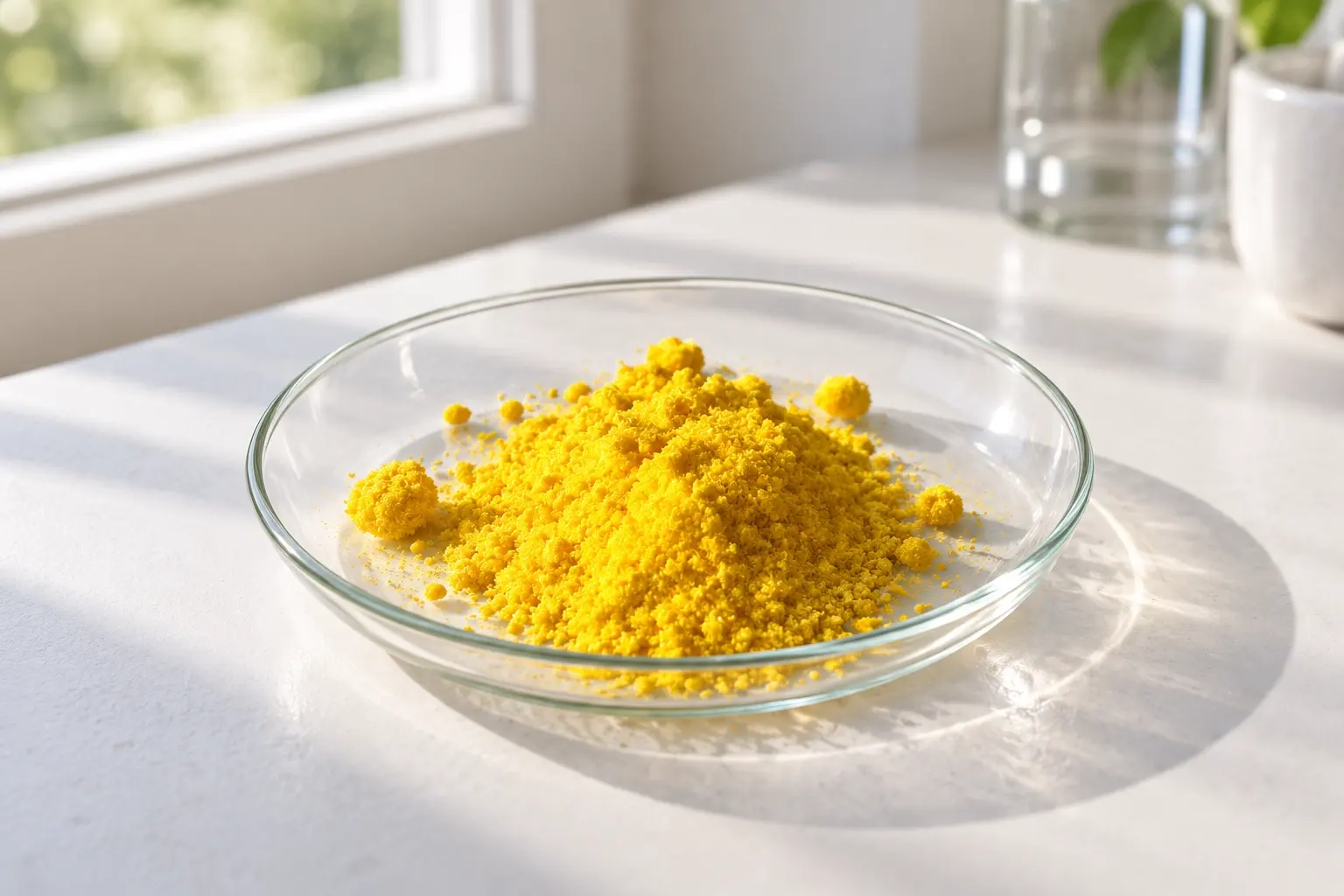
Best Retinal for Different Skin Types
Best Retinal for Beginners
Look for a lower-strength product with a straightforward formulation, moisturizing support, and clear directions for use. Naturium Retinaldehyde Cream Serum 0.05% is one example highlighted in published shopping guides.
If your skin is highly reactive, starting with retinal may not be the most comfortable approach. Your dermatologist may recommend a different retinoid or a non-retinoid routine.
Best Retinal for Mature Skin
For concerns such as fine lines and photoaging, consider a formulation with documented retinal concentration, comfortable texture, and consistent availability.
Medik8 Crystal Retinal offers a range of strengths, making it an option for users who prefer a stepwise product system.
Best Retinal for Dry Skin
A moisturizing cream or emulsion may be more comfortable than a lightweight serum. Look for barrier-supporting ingredients and avoid combining several potentially irritating actives when first introducing retinal.
Best Retinal for Oily Skin
A lightweight serum, gel, or lotion may suit users who dislike rich creams. Skin feel, compatibility with other products, and tolerance are more important than choosing the highest concentration.
Best Retinal for Sensitive Skin
Choose a conservative strength and introduce it slowly. Even formulas marketed as gentle may cause redness, dryness, peeling, or discomfort.
If you have eczema, rosacea, a damaged skin barrier, or ongoing irritation, seek advice from a dermatologist before using retinal.
How to Use Retinal in Your Skincare Routine
Introduce retinal gradually to reduce the likelihood of irritation.
Step 1: Cleanse Gently
Wash your face with a mild cleanser and pat dry. Avoid aggressive exfoliation before applying a retinoid.
Step 2: Apply a Small Amount
Follow the manufacturer's instructions. For a conventional facial cream or serum, a pea-sized amount is commonly used as a general starting reference, but product-specific directions take priority.
Avoid direct contact with the eyes, lips, and irritated skin unless the product is specifically designed for those areas.
Step 3: Start Slowly
Consider using retinal two nights per week initially, with rest nights between applications. Increase frequency gradually if your skin remains comfortable.
There is no need to force daily use when irritation occurs.
Step 4: Use Moisturizer
Moisturizer may improve comfort and help support the skin barrier. Depending on tolerance, it can be applied before or after retinal as part of an appropriately designed routine.
Step 5: Use Sunscreen Every Morning
Daily broad-spectrum sunscreen with SPF 30 or higher is important when using retinoids, especially for managing photoaging and preventing additional UV-related skin damage.
Retinal is generally introduced as part of an evening routine.
How Long Does Retinal Take to Work?
Retinal results depend on the outcome being measured, product formulation, and frequency of use.
Some users may notice changes in skin feel before visible changes in wrinkles or pigmentation. However, clinical assessment of photoaging typically requires substantially longer periods.
A reasonable approach is to evaluate tolerability during the first few weeks and assess cosmetic improvements after approximately 8–12 weeks or longer. These are practical observation periods, not guarantees of visible results.
In a published retinaldehyde clinical study, investigators measured improvements in wrinkle and roughness parameters at week 18, with additional follow-up at week 44.
Is Retinal Stronger Than Retinol?
Retinal is closer to retinoic acid in the vitamin A metabolic pathway, and scientific literature supports meaningful biological activity from topical retinaldehyde.
However, the statement that retinal is always stronger than retinol needs qualification.
A well-formulated retinol product may outperform a poorly stabilized retinal serum. Products can also differ in delivery systems, concentrations, skin penetration, and tolerability.
One comparative tolerance study reported similarly low irritation potential for retinol and retinaldehyde under certain experimental conditions. This shows why a shorter metabolic pathway should not be interpreted as proof that retinal always produces greater irritation.
Can You Switch From Retinol to Retinal?
Yes. People who tolerate their current retinol routine may consider switching to retinal.
When switching, avoid assuming that your previous retinol concentration represents an equivalent dose of retinal. Start with a retinal product suited to your experience and monitor for dryness, redness, or peeling.
It is generally unnecessary to apply separate retinol and retinal products in the same routine. Combining them may increase irritation without established additional benefit.
Are There Any Retinal Side Effects?
Retinal can cause irritation, particularly during the initial adjustment period.
Possible reactions include:
Skin dryness and tightness
Redness and sensitivity
Peeling or flaking
Burning or stinging
Increased discomfort when combined with other irritating skincare products
If significant irritation develops, stop use and allow the skin to recover. Persistent or severe symptoms should be assessed by a healthcare professional.
Pregnancy warning: Retinoid skincare products, including retinal and retinol, should be avoided during pregnancy. If you are pregnant, planning pregnancy, or breastfeeding, consult your healthcare professional for individualized advice.
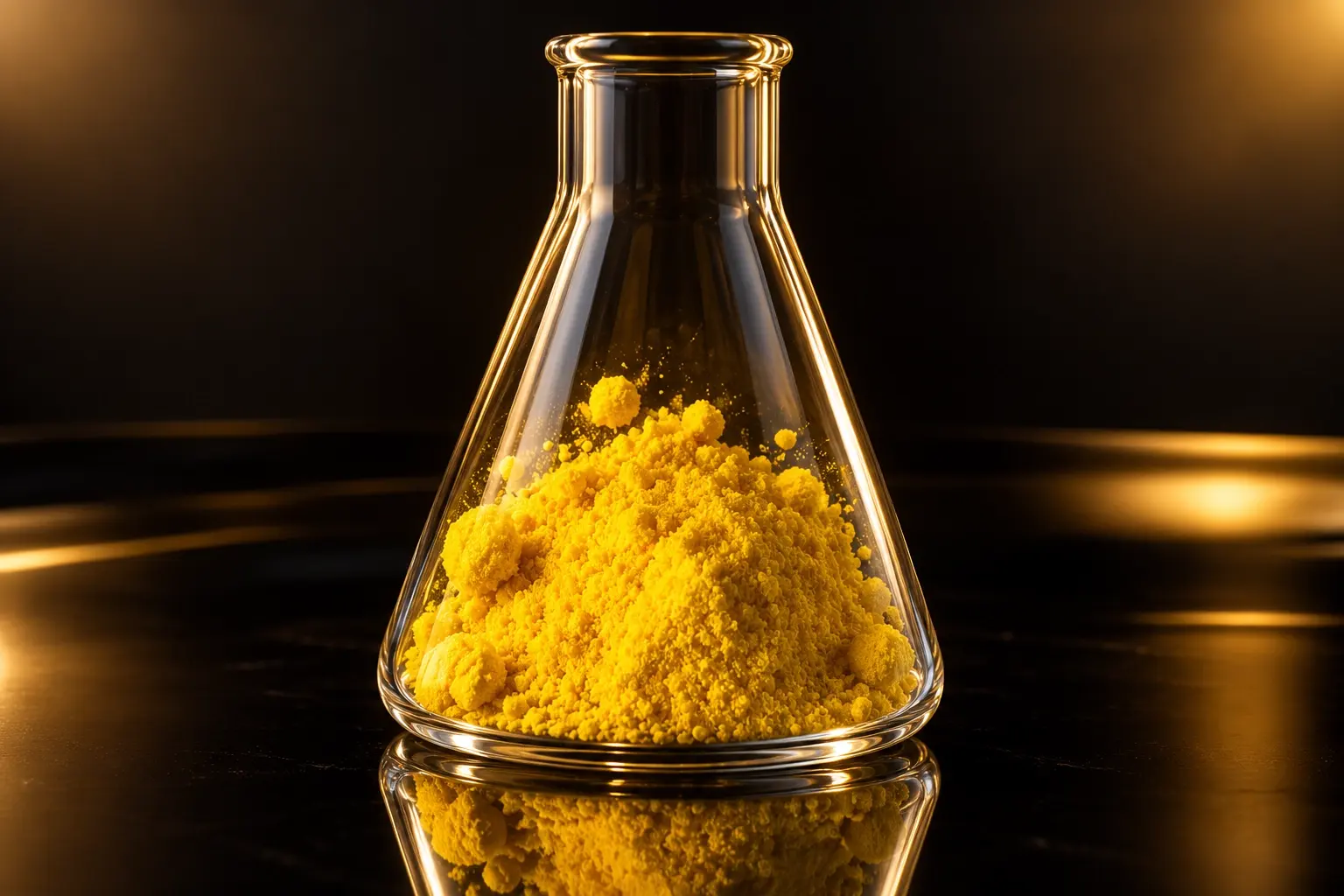
Frequently Asked Questions About the Best Retinal, Not Retinol
What is the best retinal serum instead of retinol?
The best retinal serum depends on your skin type, experience, budget, and preference for texture. Products from Medik8, Naturium, Avène, and Peach & Lily are among options discussed in published skincare guides. Prioritize a suitable concentration, good formulation, and skin tolerance rather than brand popularity alone.
Is retinal better than retinol for wrinkles?
Retinal has clinical evidence supporting improvement in visible photoaging and is one conversion step closer to retinoic acid. However, there is insufficient direct comparative evidence to conclude that every retinal formula produces better wrinkle outcomes than every retinol formula.
Is retinal better than retinol for acne?
Retinal may be suitable for some blemish-prone skincare routines, but it does not have the same level of acne-treatment evidence as certain approved topical retinoid medications. For persistent acne, consult a dermatologist.
What percentage of retinal should beginners use?
Some beginners consider products around 0.01%–0.05%, depending on the formula and their skin tolerance. There is no universally established ideal starting concentration. A lower-strength formulation introduced gradually is a sensible approach.
Can retinal be used every night?
Some users eventually tolerate nightly use. However, beginners should typically start less frequently and increase usage only when comfortable. Follow manufacturer directions and individual medical advice.
Does retinal work faster than retinol?
Retinal requires one fewer metabolic conversion step to reach retinoic acid. This provides a scientific rationale for potential differences in activity, but it does not guarantee faster visible results from every finished product.
Is retinal the same as retinaldehyde?
Yes. In the context of skincare ingredients, retinal and retinaldehyde refer to the same vitamin A derivative. Its CAS number is 116-31-4.
Can sensitive skin use retinal?
Some people with sensitive skin can tolerate carefully formulated retinal products, particularly with gradual introduction and moisturizer. Others may experience irritation. Sensitive skin is not a guarantee that retinal will be suitable.
Should I use retinal or retinol first?
Both can be considered depending on the formulation and personal tolerance. Retinol has a long history in cosmetic skincare, while retinal offers a shorter pathway to retinoic acid. Starting with a tolerable product is more important than following a mandatory ingredient sequence.
Final Verdict: Is Retinal Worth Choosing Over Retinol?
Retinal is a worthwhile alternative to retinol for people who want a vitamin A skincare product with a shorter metabolic pathway to retinoic acid. Research supports its usefulness for addressing visible photoaging, and modern formulations provide options for different skin types and experience levels.
However, there is no single best retinal serum for everyone. The most appropriate choice depends on concentration, formulation quality, stability, skin condition, and long-term tolerability.
If you are searching for the best retinal, not retinol, begin by verifying that the product actually contains retinaldehyde. Then choose an appropriate strength, introduce it gradually, moisturize consistently, and maintain daily sun protection.
Retinal Ingredient Information for Formulators
For cosmetic formulators and skincare manufacturers, the quality of retinal raw materials is another important consideration.
| INCI Name | Retinal |
|---|---|
| Alternative Name | Retinaldehyde |
| CAS Number | 116-31-4 |
| Molecular Formula | C20H28O |
| Molecular Weight | 284.44 g/mol |
| Ingredient Category | Vitamin A derivative |
| Common Application | Cosmetic skincare formulations |
Raw material identity, purity, impurity profile, analytical documentation, storage conditions, and compatibility with the finished formulation should all be considered during ingredient selection.
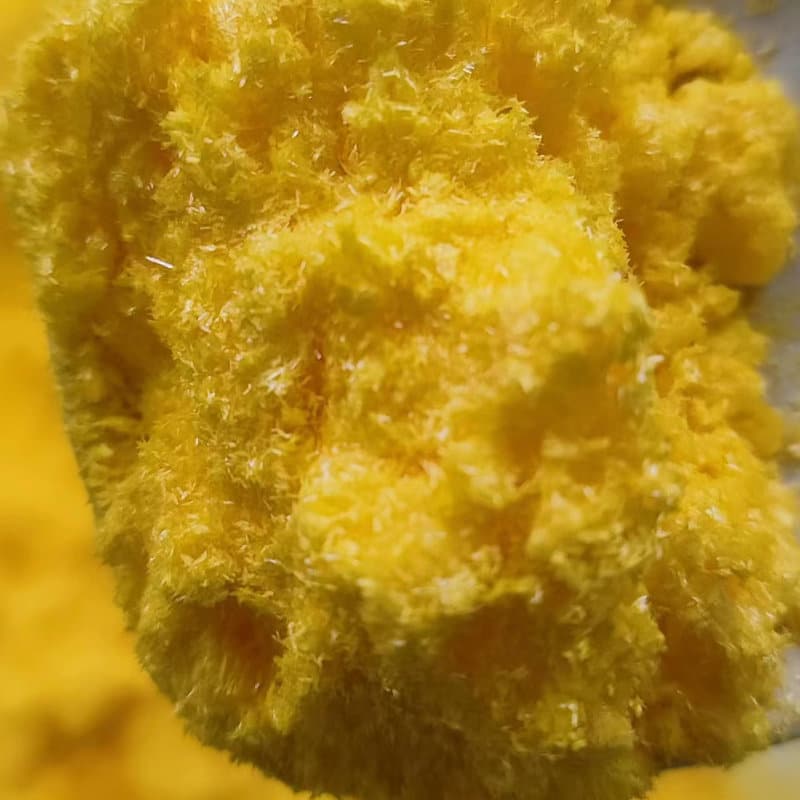
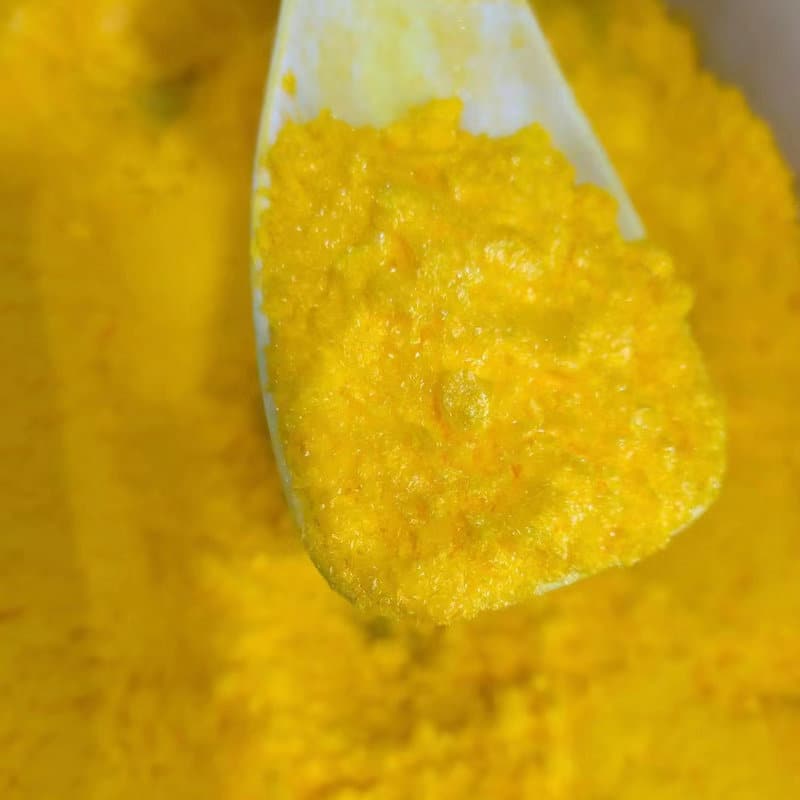
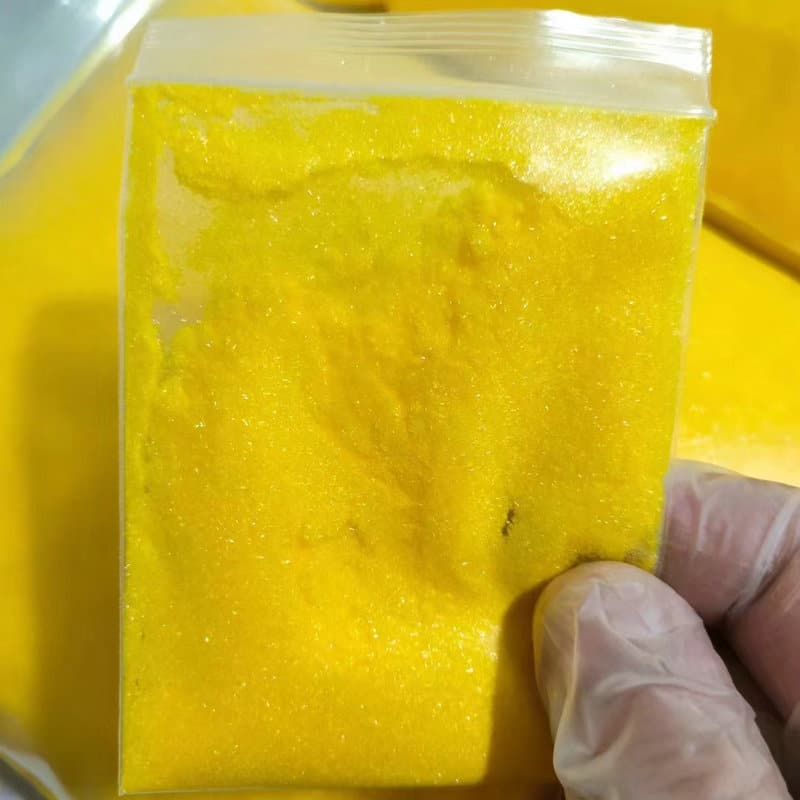
Manufacturers developing retinal-based skincare products can consult Wuxi Kangweinuo Biotechnology Co., Ltd. regarding cosmetic-grade retinal raw materials and available technical documentation, including batch-specific COA and applicable product specifications.
Scientific References and Further Reading
Use of Retinoids in Topical Antiaging Treatments: A Focused Review of Clinical Evidence for Conventional and Nanoformulations.
Tolerance Profile of Retinol, Retinaldehyde and Retinoic Acid Under Maximized and Long-Term Clinical Conditions.
Topical Retinaldehyde on Human Skin: Biologic Effects and Tolerance.
Profilometric Evaluation of Photodamage After Topical Retinaldehyde and Retinoic Acid Treatment.
Cosmetic Retinoid Use in Photoaged Skin: A Review of the Compounds, Their Use and Mechanisms of Action.
American Academy of Dermatology: Retinoid or Retinol?.
Allure: Best Retinal Serums and Creams.
NBC Select: Best Retinal Products.
Editorial note: This guide is for educational purposes. Product examples are based on published editorial coverage and are not independently performance-tested rankings. Cosmetic skincare products are not substitutes for medical diagnosis or treatment.